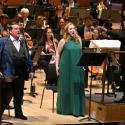
Chelsea Opera Group has made its own luck in winning the devotion of two great bel canto exponents: Nelly Miricioiu between 1998 and 2010, Helena Dix over the past 10 years. Last night was Dix’s official farewell before moving back to her native Australia. La Straniera may be a relative dud among Bellini’s operas, but it allows its soprano grace, poise and careful fireworks. An excellent cast reflected her mastery; but the conducting nearly sank the enterprise.
What this too often pedestrian score needs is verve. Stephen Barlow, head in score throughout, let even insignificant connecting passages drag (several pizzicato links seemed to last an eternity), and never kept the orchestra down. The testudinal pace was especially awkward given that one spends a lot of the second act, however good the other singers, waiting for the diva to reappear for a final scene which even Berlioz admired.
Dix did not disappoint here, saving the very best until the very end. Her “Stranger” is Agnese, the exiled wife of the French king, living by a lake in Brittany. Lead tenor Arturo loves her, and is on the brink of abandoning his pure and lovely bride-to-be Isoletta. Mistaking her brother Valdeburgo for her lover, he wounds him and Valdeburgo falls into the lake. The aftermath (the end of Act One and the whole of Act Two) is a mess.
 It’s hard to believe that Bellini and his librettist Romani fashioned so classically perfect a masterpiece as Norma only two years later. The usual operatic platitudes here are compounded by uncertainty of motivation, and you don’t come out humming a good tune.
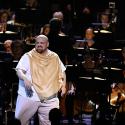
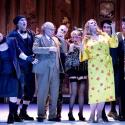
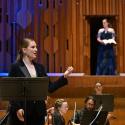
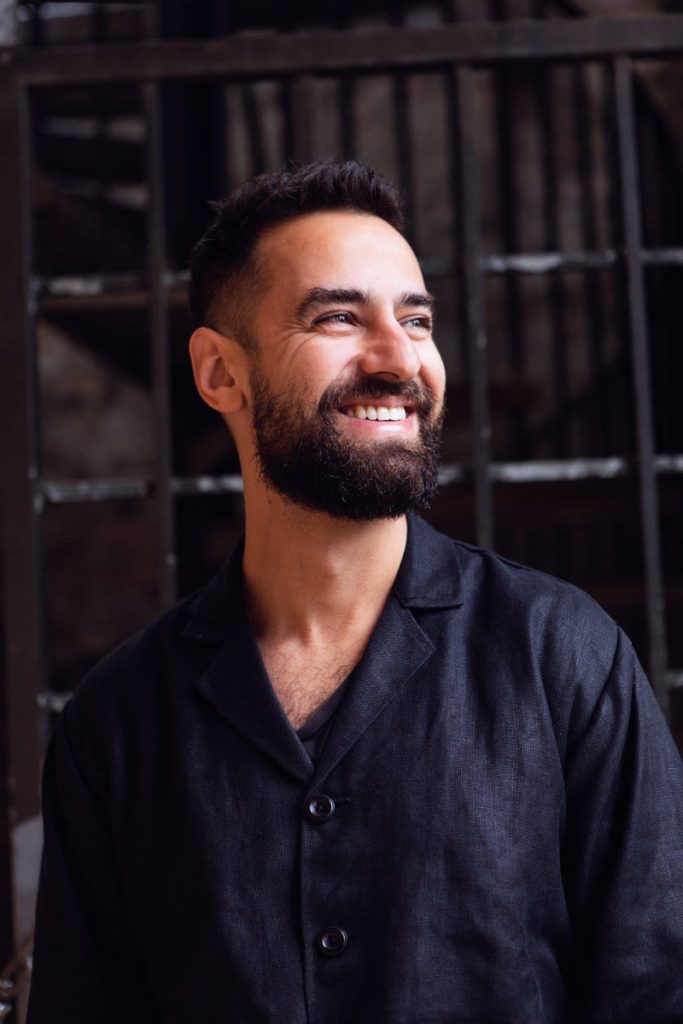
Even so, there are scenes of interest: the pretty pastoral meeting of Arturo and “Alaide” (the name Agnese has taken) yields a good duet which found Thomas Elwin a good match for Dix's charismatic air of noble melancholy. The following scene adds a fine trio, enriched by the stalwart presence of Dan D’Souza (pictured left by Benjamin Youd) as the perpetually perplexed brother. Poor Isoletta appears in the opening scene, and then not until near the end, where mezzo Georgia Mae Bishop did her best but wasn't helped by Barlow’s inertia and a sense of “oh, are you still here?” from the audience. Young lyric tenor Will Diggle, whom I saw the previous evening in Garsington’s The Queen of Spades, managed to make an impact – with excellent Italian – as henchman Osburgo. The opera queens in the audience went wild at the end, and Dix deserved their devotion. But hopefully COG can leave Bellini and Donizetti alone now for a while.