Tom Rakewell Esquire, the Glyndebourne edition generally known as “the Hockney Rake” though it is very much director John Cox’s too, is 46 years old. The great Bernard Haitink, who conducted the first airing in 1975 at a time when Stravinsky's extraordinary score was hardly the repertoire staple this production has helped it become, has just left us, but it’s poignant that one of his disciples, Kerem Hasan, is in charge of the tour revival. With young singers at the top of their game, musical and dramatic tradition is very much alive and firing, however sophisticatedly, on all cylinders.
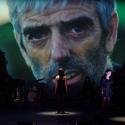
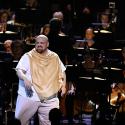
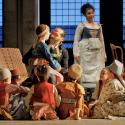
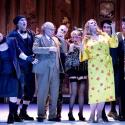
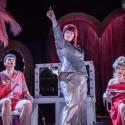
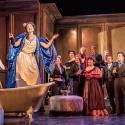
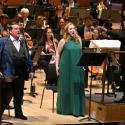
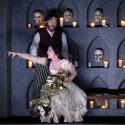
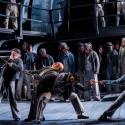
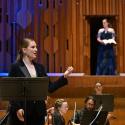
Choral excellence in the tricky but rewarding set-pieces of brothel, auction and Bedlam scene tends to be a given with the promising ensemble at Glyndebourne (more stars are waiting to be born in this yeat's vintage, not least bass Tom Mole). Two of the four principals, Frederick Jones as weak but not wicked Tom Rakewell and Sam Carl as Nick Shadow, the puppetmaster who loses control when true love’s at stake, have come on in leaps and bounds since their already excellent performances for British Youth Opera in 2018, Jones, still technically the most secure Tom I’ve ever heard, now finds more nuance and pathos in the later stages, while Carl (pictured below with Jones in the graveyard scene) sounds supreme in the powerful bass-baritone moments - could this be a Wotan in the making? - but has also mastered the art of sinister confidentiality. 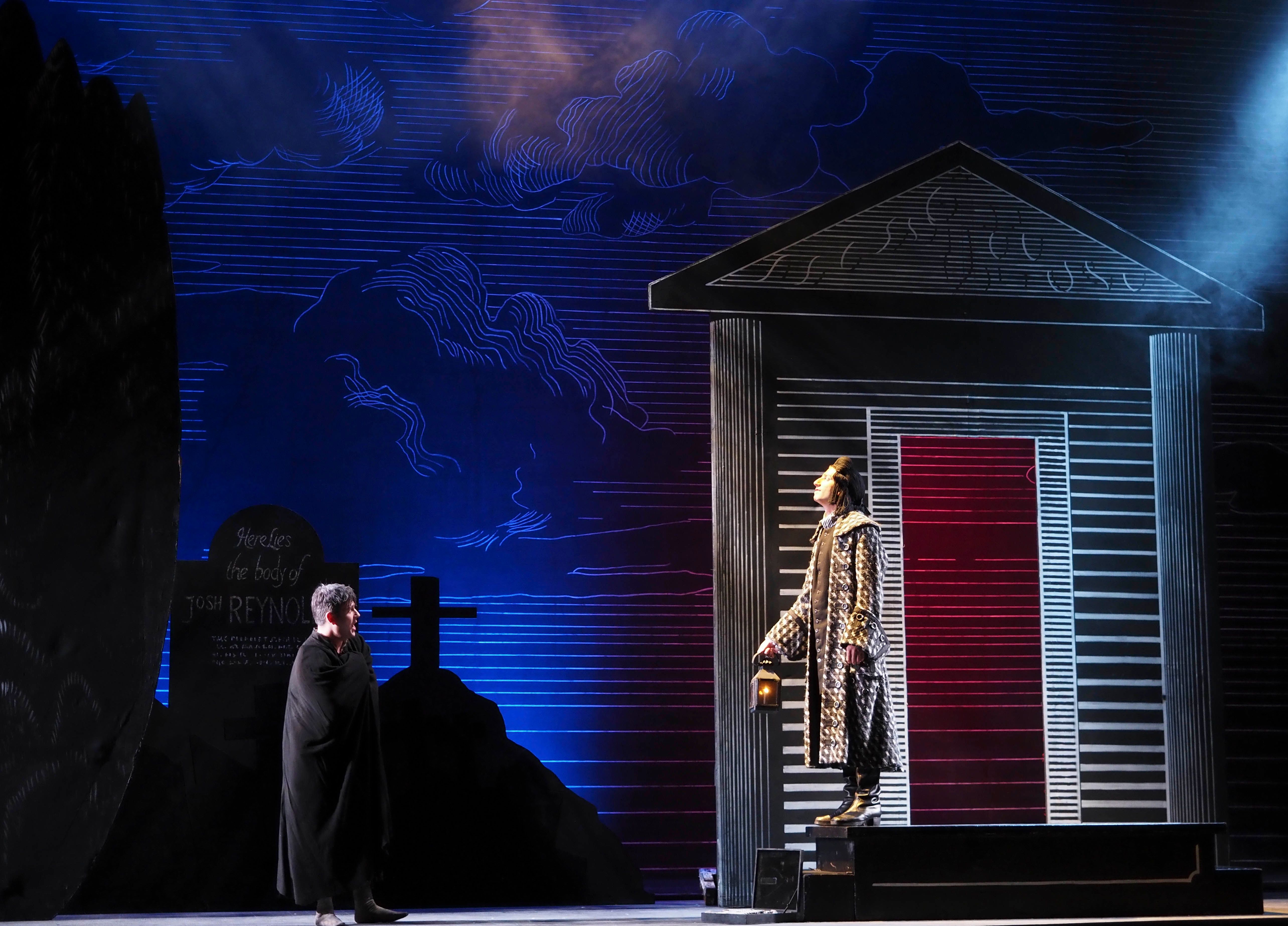 Nardus Williams is now Ann Trulove, the sweet girl who also has strength of purpose enough to pursue her feckless deserter. It was going to take a lot to equal Samantha Clarke’s consummate portrayal for BYO, but Williams does it on her own terms. The timbre is fast-vibratoed and sometimes darker than that of the usual lyric soprano, but she puts no foot wrong when it comes to phrasing, top notes or projection of the sense. Rosie Aldridge makes it clear that elocution lessons have been part of the progress for Baba the Turk, bearded lady of St Giles Fair (pictured below in the auction scene with members of the chorus and Daniel Norman as Sellem), whom Tom marries in an whimsical existential challenge. What a difference it makes, frankly, when English is the mother tongue of the singers; that makes this a more successful Rake than the main season revival of 11 years ago, where three of the principals were Swedish, Finnish and Russian – good voices and actors all, but something was lost there, and this demonstrates exactly what.
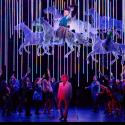
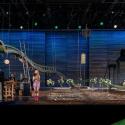
As in the BYO production, every word can be heard; it takes a lot of work to achieve that. When the supertitles drop out for what was originally conceived as recitative – but the ever-chameleonic Stravinsky doesn’t always treat it as such – you don’t have to work hard to catch the supreme eloquence of the Auden-Kallman libretto, surely the 20th century best alongside Hofmannsthal’s for Strauss in Der Rosenkavalier and Eric Crozier’s for Britten in Albert Herring (another Glyndebourne opera, incidentally, which Haitink surprised everyone by taking on). Concordance with the pit seems good; Hasan goes for pastels rather than poster-paints until the drama goes up several notches, but it’s elegant and especially fine dealing with Stravinsky’s stylistic sleights of hand, often within single numbers. 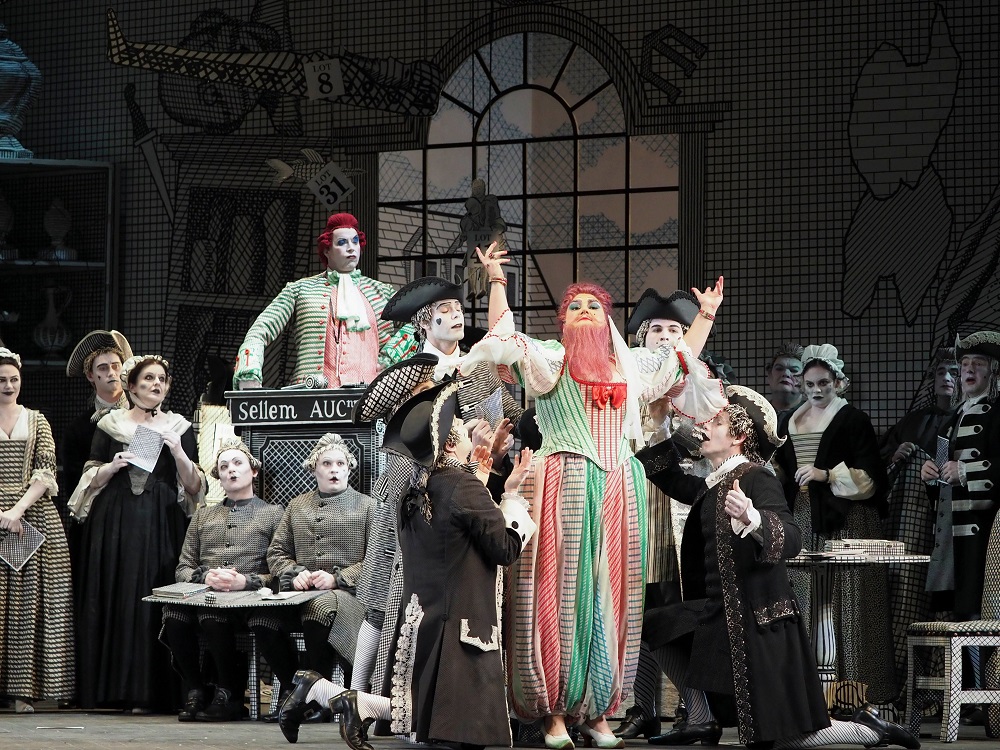 The Hockney designs’ one major flaw remains the long breaks between scenes – Stravinsky designs each group of three in each of the three acts to flow harmonically – but the pauses have at least been reduced to a minimum. And the rewards are so great, as the gasp of the audience at each new tableau indicates, that it’s easy enough to ignore a given. So scene-stealing are they, if you’ll pardon the expression, that Cox’s inventiveness with detail can easily be overlooked. From the meticulous groupings of the chorus, including the queasy Black Mass of “Lanterloo” in the brothel, to as telling a comic touch as Tom wearily handing Baba another plate to smash in her high dudgeon, it all comes across vividly still.
I’d ditch the dry ice in the graveyard scene, but how deep the blues are now both there and for Anne’s aria of determination; like Cox, the original lighting designer, Robert Bryan, has returned, but I wonder if he’s taken the opportunity to use advances in his sphere to make the colours even deeper and richer. A feast for the eye as well as ear, heart as well as mind. On the first night, despite previous coughing bouts among a refreshingly masked audience, you could feel the intensity of the silences for the graveyard and asylum denouements. Go, and take an operatic newcomer along.