Prolific playwright James Graham was born in 1982, the year Alan Bleasdale's unforgettable series was televised. From Nottingham rather than Liverpool, Graham recognised in his own surroundings the predicaments of the main characters, the bonds between them and the importance to them of place and of shared stories. An admirer of Bleasdale's work, he had already acknowledged the older writer's influence on Sherwood, his television crime drama pulsating with continuing divisions caused by the miners' strike.
Billed as "Alan Bleasdale's Boys from the Blackstuff by James Graham", and arriving on the Olivier stage from Liverpool's Royal Court, this is both an adaptation of the original and something quite different. Graham is adept at moving between media and, while he has kept the main characters, some of the best-remembered scenes and many of the most familiar lines, this is very much a piece of theatre.
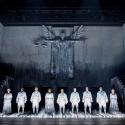
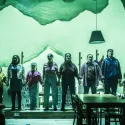
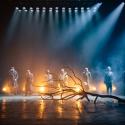
Whereas Bleasdale focused in turn on each of the unemployed road builders - Chrissie, Dixie, Loggo, George and Yosser - who no longer work on the blackstuff, the tar, their stories are now interwoven. The death of Snowy, who falls from a building on which he is working illegally while claiming the dole and fleeing "sniffers" from the Department of Employment, becomes more central, recurring in plot and dialogue to make a linking theme. The effect of these changes, and the building of an ensemble under Kate Wasserberg's direction, while losing something of the visceral anguish of the television series, brings a greater sense of the whole community in free fall. Liverpool is itself a presence underlined by Amy Jane Cook's set, backed by Jamie Jenkyn's video of the restless Mersey.
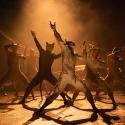
Naturalism is replaced with storytelling methods more suitable for the stage: some choreographed movement and the occasional plaintive singing of traditional work songs. Yosser's children now have to be imagined and this is, although a necessary change, a loss. The three youngsters trailing after him added considerably to the poignancy of Yosser's situation. The characters of the men are still vivid however. Barry Sloane's Yosser (pictured being restrained below) cries "Gizza job" with the same mixture of tragic desperation and unhinged humour as Bernard Hill, who made it a slogan of the Eighties, widely quoted in his recent obituaries. Nathan McMullen as Chrissie and Lauren O'Neil as his wife Angie relish the set-piece row which encapsulates the strains that financial hardship puts on a loving relationship. Loggo (Aron Julius) can usually manage a sunnier attitude than some of his colleagues. Mark Womack's Dixie's inadvertent involvement in stealing from ship's containers while moonlighting as a security guard leads to one of the funniest sections as his wife (Helen Carter) struggles to conceal from the ever-diligent "sniffers" the few pounds she earns on the quiet. George (Philip Whitchurch), Snowy's father, older and wiser than his work-mates, is a link to past strivings, a political activist whose death marks a significant fracturing of the group.
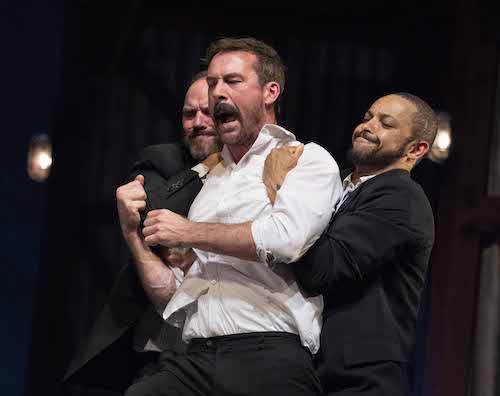
Graham's language is as lyrical and funny as Bleasdale's, often delighting in withering sarcasm. The press night audience anticipated one of the best-known lines from the original. Yosser is speaking to a kindly Catholic priest who suggests he address him by his first name, Dan. Yosser replies with, "I'm desperate, Dan".
Written by Bleasdale at a time of high unemployment in the early years of the Thatcher Government, Boys from the Blackstuff still resonates in Graham's version. Employment is now high, but in an era of zero hours contracts, food banks and the need to manage multiple jobs, there are many in straitened circumstances who would recognise the struggles of the 1980s.
- Boys from the Blackstuff at The National Theatre until June 8 then transferring to the Garrick Theatre
Alan Bleasdale's Boys from the Blackstuff is available on BBC iPlayer. - More theatre reviews on theartsdesk