Practitioners of musical authenticity and scholarly research, so guarded and protective of their territory in the early days, now like to spread the love around. So if an amateur choir of 100-plus like the BBC Symphony Chorus, celebrating its 90th anniversary, and selected members of a symphony orchestra want to tackle Bach's B minor Mass – as anyone in their right minds would wish to, since it's a monumental masterpiece – then they could hardly do better than entice the dynamic John Butt away from the small forces of his Dunedin Consort for a one-off spectacular.
Or could they? As Butt beat his way through a very underphrased Kyrie, I wondered; slower than usual is fine so long as it's filled with intensity, and this sagged. Admittedly the setting is ornamental, but where was the essence of the "Lord, have mercy"s? It seems to me that big choirs aren't asked to work nearly hard enough on expression of the text, even in as familiar a ritual as the Latin mass. In any case, sequences like the Gloria's "Qui tollis peccata mundi" ("thou that takest away the sins of the world") and the Credo's "Crucifixus" need the intimate urgency of a much smaller group of voices. Some exquisite flute descanting gets smothered by the larger forces in the former, too.
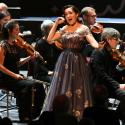
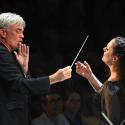
Where the massed forces excelled was in the buoyancy of Bach's big blazes, Butt eliciting a nimbleness that carried the runs in the fugal writing (as a tenor in the 200-strong Edinburgh Choral Union back in the 1980s, I always used to dread the exposed entry of "Cum sanctu spiritu", but they did it well enough here). And although Butt could have made the Sanctus more of a swinging giant celestial bell, the Osanna really did seem to be charted by a multitudinous host of angels. 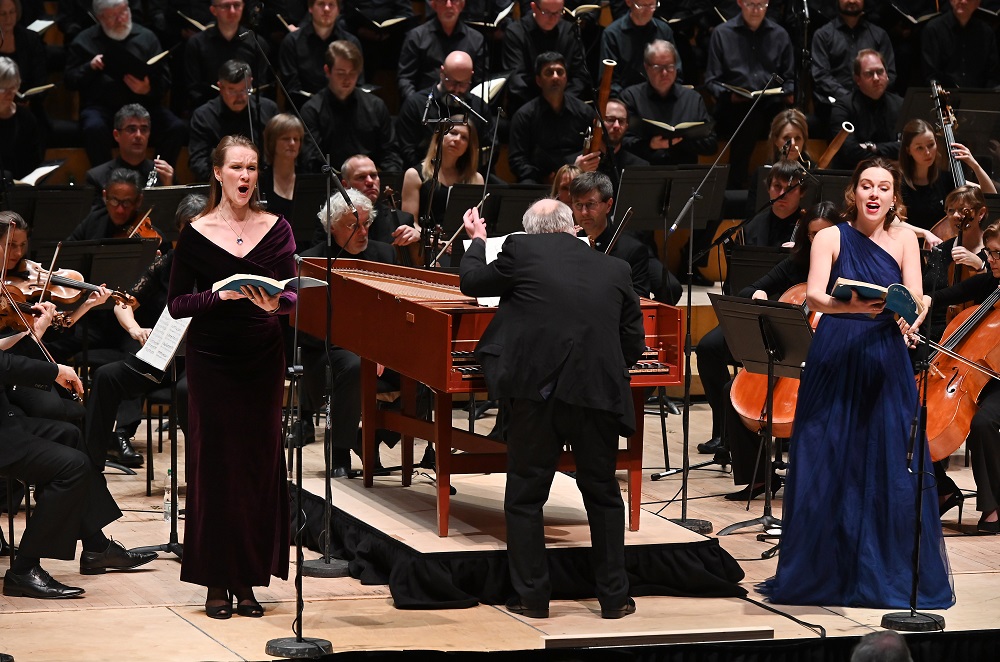 Continuity is a Butt hallmark, and the sins of the Kyrie were quickly forgotten as we plunged into the suave dance of the two sopranos in the Christe eleison. All soloists were musicianly and stylish, but some put it across better than others. Soprano Mary Bevan and tenor Samuel Boden were rather quiet; counter-tenor Alex Potter and bass-baritone (surely just baritone) Edward Grint did better in one of their two respective arias than the other (always a good case for having two of each voice to split the change in writing). Only Joanne Lunn (pictured above on the left with Butt and Bevan) shone with commitment and engagement, as much when she sat at the side, joining the chorus at times, as in her radiant numbers.
Alongside the vocalists, the BBC Symphony obbligato players sounded a bit more subdued than their vivid usual selves, as if slightly over-awed by the Bach style. Still, Michael Cox made the most of the heart-piercing flute solos and the bassoons provided characterful support to Martin Owen's horn solo. But there's no substitute there for the edge of the corno da caccia, and can three modern trumpets ever match the silveriness of their natural predecessors, especially now that I've heard two period-instrument trios who seemed to have mastered the blips that used to befall their high-lying lines? Well, now a big B minor has been done in the full glare of publicity, and credit to all for pulling it off. But enough, no more; 'tis not so sweet now as it was before the watershed.
- To be broadcast on BBC Radio 3 on Tuesday 5 February
- More classical reviews on theartsdesk