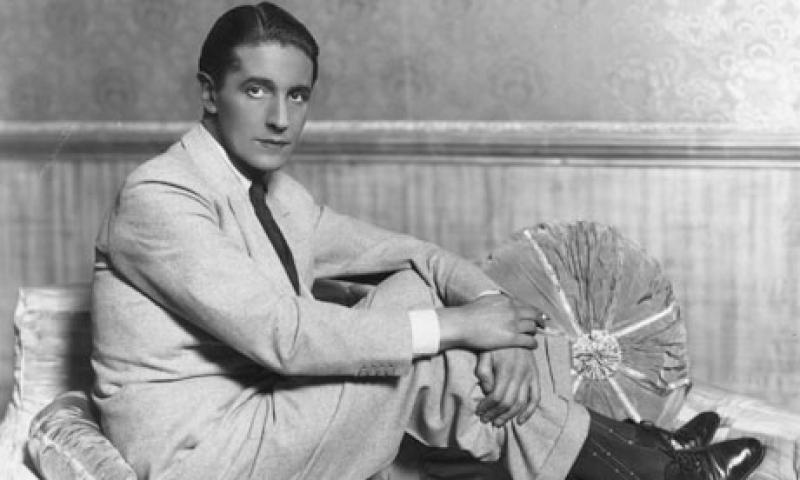
Each year I wonder, as the hit-makers and Radio 1 darlings flock to the Ivor Novello Awards, how many spare a thought for that greatest of melodists, who lends his name to their accolades? Precious few, I suspect. While the musicals of Noël Coward have survived for their wit, the great American classics of Carousel and Oklahoma! for their big numbers and relatable, homespun stories, the eternally anachronistic, fatally glamorous world of Ivor Novello has disappeared without trace. Signs of life have begun to stir recently in London, but with this evening of celebration the Proms have put him front and centre-stage – just where the composer was always happiest.
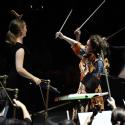
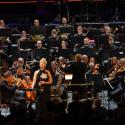
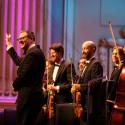
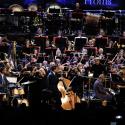
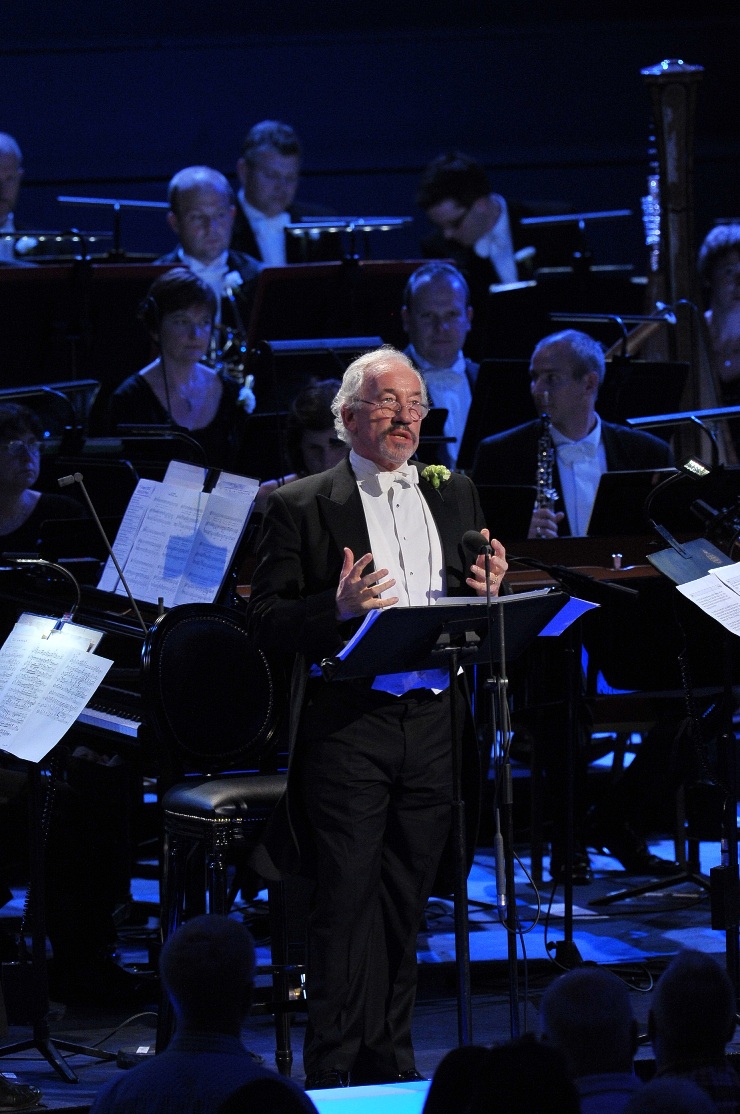
You can tell at a glance what kind of audience you have in the Royal Albert Hall by which seats are filled. With the stalls all but full (and the Arena looking decidedly bare) it was a generous and an elderly audience that greeted last night’s Late Night Prom – an audience fondly revisiting, one suspected, rather than discovering for the first time. The atmosphere was fond, and gave Simon Callow’s wry and quip-filled narration plenty of encouragement (Callow pictured below). Surmising that we all needed a bit of a refresher course on “the last romantic”, Callow guided us through Novello’s life and works, pausing for musical interjections from the Halle (under the direction of Mark Elder) and from soloists Sophie Bevan and Tony Spence.
 The John Wilson Orchestra is a titanium-tough act to follow, but Elder and his band gamely swooped and sashayed through their music, conjuring gypsies and star-crossed lovers as required. But as Novello’s gypsies (so we learned) were kitted-out only in velvets and satins, so this classical ensemble brought a refinement appropriate to this material. None of your brash Hollywood posturings here, but instead lovely, poised string arabesques.
It was good to see Toby Spence back from serious illness and bringing his best matinee-idol brooding to bear in some of Novello’s most heartfelt numbers. “The tongue,” as a contemporary Observer critic commented, “never visibly approaches the cheek” in Novello’s music, and its success relies on a sincerity that can sometimes prove hard to stomach. But here, channelled in Spence’s fragile opening verse of "Keep the Home Fires Burning", and the poignant "Pray for Me", with its anticipation of death, all felt heightened but honest.
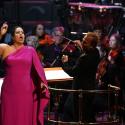
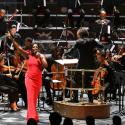
Bevan too, charming in the anti-love-duet “Why Isn’t It You?” and soaring for weightier numbers like "I Can Give You the Starlight and Someday My Heart Will Awake", gave herself over to the polite passions of Novello’s world, only occasionaly offering opera when something more intimate was called for.
 Our current split between musical-theatre and classical singers doesn’t really allow for the taxing crossover technique of Novello’s writing, demanding operatic warmth but also a theatrical belt (not to mention the ranges of the songs which often sprawl outwards at both ends). Both Spence and Bevan coped well, with Spence shining in the expressive verses and Bevan’s top register and power taking over for the big choruses.
As with any concert of selected rather than collected hits there is the charged question of programming. It would have been lovely to see more of Novello’s humour represented. The feather-light irony of "And Her Mother Came Too" was name-checked but absent musically, while some more turgid ballads ("And the Violin Began to Play", anyone?) crept in, crowding out better numbers. But we gathered lilacs with enthusiasm, which was enough to send everyone home in a blissful, headily-scented haze of nostalgia.
With two young, glamorous soloists, the sympathetic direction of Elder and a BBC Two slot, I very much hope that Ivor Novello’s music can seduce a new generation of fans. His way with a melody (if not with a lyric) taught Andrew Lloyd Webber all he knows, and his world of fantasy, furs and fated loves is one we could all welcome an escape to in our moderns lives.