

London foists hard choices on concertgoers. Over at St John's Smith Square last night Nikolai Demidenko was giving a high-profile recital of Brahms and Prokofiev. But since the Prokofiev CD which has had the most impact in recent years has been Freddy Kempf’s, of the Second and Third Piano Concertos with the Bergen Philharmonic and Andrew Litton, a half-full Cadogan Hall seemed like the right place to be, even without Prokofiev on the programme.
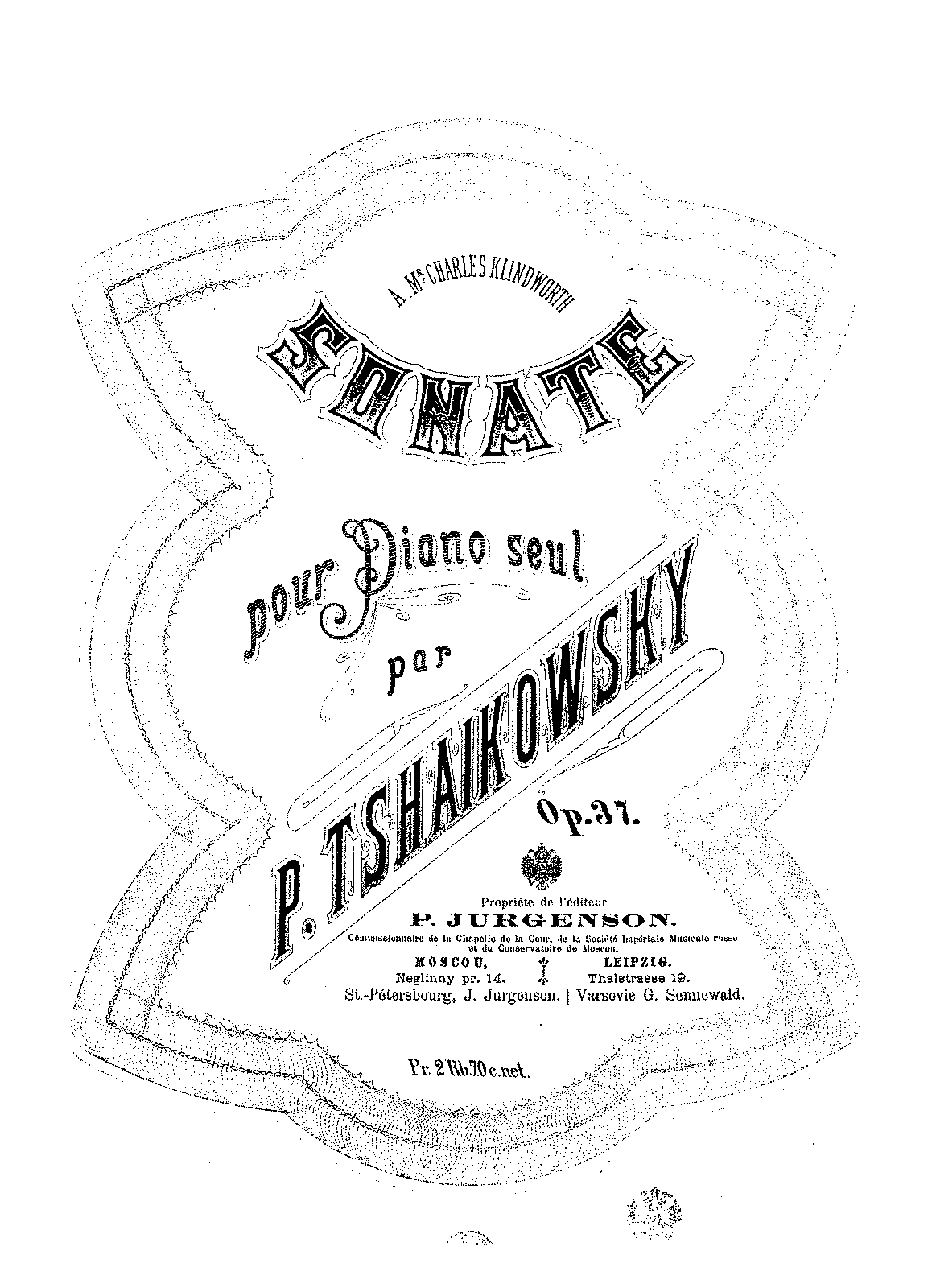
Kempf, the British-born boy wonder of the 1990s, has been slightly overshadowed lately by the next sensation, Benjamin Grosvenor, but he’s a different animal: a master of Russian-style orchestral pianism whose rock-solid technique gives him the right to be wild with giant, rarely heard scores like Tchaikovsky’s Grande Sonate, the culminating work in last night’s programme. It demonstrated definitively why Russians were outraged when Kempf only got third prize in the the Tchaikovsky International Piano Competition of 1998 (the first prize went to Denis Matsuev, irredeemable thumper and Gergiev collaborator: even back then, nationalism eclipsed justice).
The element of the demonic made this a performance in a thousandNo-one was likely to be deceived for long by the pastoral landscapes of Beethoven’s D major Sonata Op. 28, despite Kempf's superbly-articulated sunny ecstasy in the runs varied with such personality here in the repeat. The walker, both Beethoven and Kempf, was still a big brooder, troubled by internal weather in the development. Kempf stripped away the walking pace of the second movement, too, towards final, desolate essentials. The Scherzo passed in a flash; serenity was restored in the Rondo.
Its opposite pole was frighteningly conjured in the two tragic Chopin Polonaises, colossally so in the F sharp minor masterpiece, Op. 44. I can see why some audience members felt affronted by Kempf’s rethink, but for me the element of the demonic made this a performance in a thousand, a controlled hairsbreadth away from chaos. Its impact was such that the delayed sunshine of the central mazurka-like passage brought tears of relief.
 Otherwise, this was a dance of death, conjuring up depths in left-hand octaves which in terms of British pianists you may have caught long ago in the playng of John Ogdon, but which otherwise remains the provenance of the natural Russian heirs to Richter and Gilels.
As is the Tchaikovsky Sonata. Again Kempf took risks but only once fudged the welter of notes. There was an improvisatory quality especially about the second movement, a fantastical ballet which despite returning passages felt utterly unpredictable, and the finale, a moto perpetuo in which the inspiration poured out but never just became a blurry charge or a bash.
A high string broken half way through meant an encore choice which didn’t involve the lost note. It was the elegiac slow movement which Tchaikovsky hadn’t provided in the Sonata, “October” from The Seasons, the singing pianistic equivalent to Lensky’s verses about past golden days in Eugene Onegin. Kempf showed that he can also be the most sensitive of tenors, taking his time with instinctive and perfect rubato. The definition of theme and intent throughout, the sheer force of musical personality, made this an unforgettable recital from a unique voice among pianists.


