At first sight, performing Stravinsky’s The Rite of Spring – premiered in 1913 and sometimes seen as presaging the whole world of modernism – in the centenary year of the 1918 Armistice might seem to be lagging behind in timing (if centenaries float your boat).
But Sir Mark Elder’s choice of the piece for the Hallé’s last concert of the year in the "flagship" Thursday series had more to it than that. (Opera North, incidentally, are soon to perform it on stage, with Phoenix Dance Theatre, so there’s a couple of northern trendsetters with similar inspirations).
At this distance, we can see it almost as a symbol of the politico-military tragedy that was about to unfold, matched by the sense of unwitting thrill that could be gained from ever-greater brutalism in art: the story, after all, is about how the "elders" watch unmoved, fully willing it, as a young innocent is forced into fatal self-sacrifice. A Pre-war Requiem, in fact.
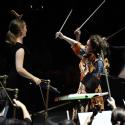
Be that as it may, it’s become an iconic work, and the sheer size of the forces it requires and the complexity of the score make a performance an experience to be sought after. Sir Mark put it alongside two other pieces which could also be felt to symbolise the mindset of the first two decades of the 20th century: Schoenberg’s Verklärte Nacht (in the 1943 orchestral version) and Satie’s Parade.
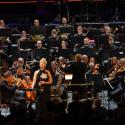
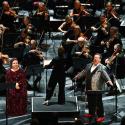
The former – for all that it might be seen as the pre-precipice stretching of chromatic tonal harmony to its limits – is also a fabulous piece of high Romantic textural writing for massed strings, and the Hallé’s 60-strong cohort, led by Lyn Fletcher, were at their shimmering best. Starting almost at a whisper but soon changing to real intensity and fierce attack, they played for Elder with impeccable intonation and also the sweetness and warmth that have become their hallmark. Just a touch of portamento, beautifully poised shaping of the phrases, and they delivered a glorious sound.
From the sublime to the ridiculous, one might say of the Satie "Realist Ballet". Long before Sartre or Beckett, this piece from 1917 was a little bit of Parisian absurdity, in music. Notable for its batterie of percussion, including a set of tuned bottles (created here by Hallé principal percussion David Hext for the occasion) and two typewriters (expertly "played" by Hallé office staff), it makes much of a send-up of ragtime, with a growing rhythmic energy that was entirely Sir Mark’s happy hunting ground. He enjoys a bit of fun in his music, thank goodness, and also guided the orchestral brass and wind into producing remarkably mellow tones – in the circumstances.
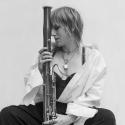
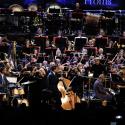
For The Rite of Spring, with well over 100 musicians on the platform, mellowness was hardly the watchword, but, with the opening high bassoon solo by Roberto Giaccaglia, there was a gentle and genuinely mysterious opening (an atmosphere to return later, too). Anyone can make a thunderous rhythmic noise out of Stravinsky’s score if they want to, but this had subtlety – whether in the stately and restrained beginning of the Khorovod or in the sense of the sinister as the final Sacrificial Dance gets underway. The brass were restrained when they should be, sharply incisive when required, too; and the seamless passing of the trill from first to second flute in that Khorovod was an achievement in itself.
And of course it was, when necessary, very exciting. If Stravinsky failed to initiate a new kind of musical tradition, he certainly created an ear-stretching showpiece.
Read more classical reviews on theartsdesk
@RobertBealeMcr