Perhaps those who came for the Argerich touch and left at the interval of this instant-sellout Prom were satisfied. After all, the legendary Argentinian pianist gave us some vintage minutes of her silk-spinning mercurialism. Yet it was in the midst of a performance that wasn't exactly an ideal concerto partnership with long-term colleague Daniel Barenboim and the young players of the West-Eastern Divan Orchestra, who deserved better from her.
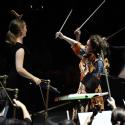
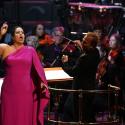
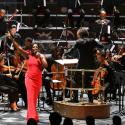
Kudos, as always, to the ongoing WEDO project of Barenboim and the late Edward Said as it brings together Jewish, Muslim and Arab Christian musicians from the Middle East and Spain in its four-year degree programme (the latest group enrolled in 2015). It's always a shame that for security reasons the players can't be named so that one can't give due credit, for instance, to the powerful first oboist. The strings' hallmark fervour duly flamed at the heart of the two movements in Schubert's "Unfinished" Eighth Symphony. They were earthed by Barenboim's care over phrasing and encased with pianissimos encouraged by a master who has always stated that in the Albert Hall, you draw the listener in rather than force the sound out. For a conductor who often tends to the grandiose, Schubert's Andante con moto lilted at a fair speed, though it was a mistake, given this tenderness, to ignore the Allegro moderato's exposition repeat (according to Elisabeth Leonskaja, when any student omitted repeats in the sonatas, Sviatoslav Richter would ask "what? You don't love Schubert's music?") 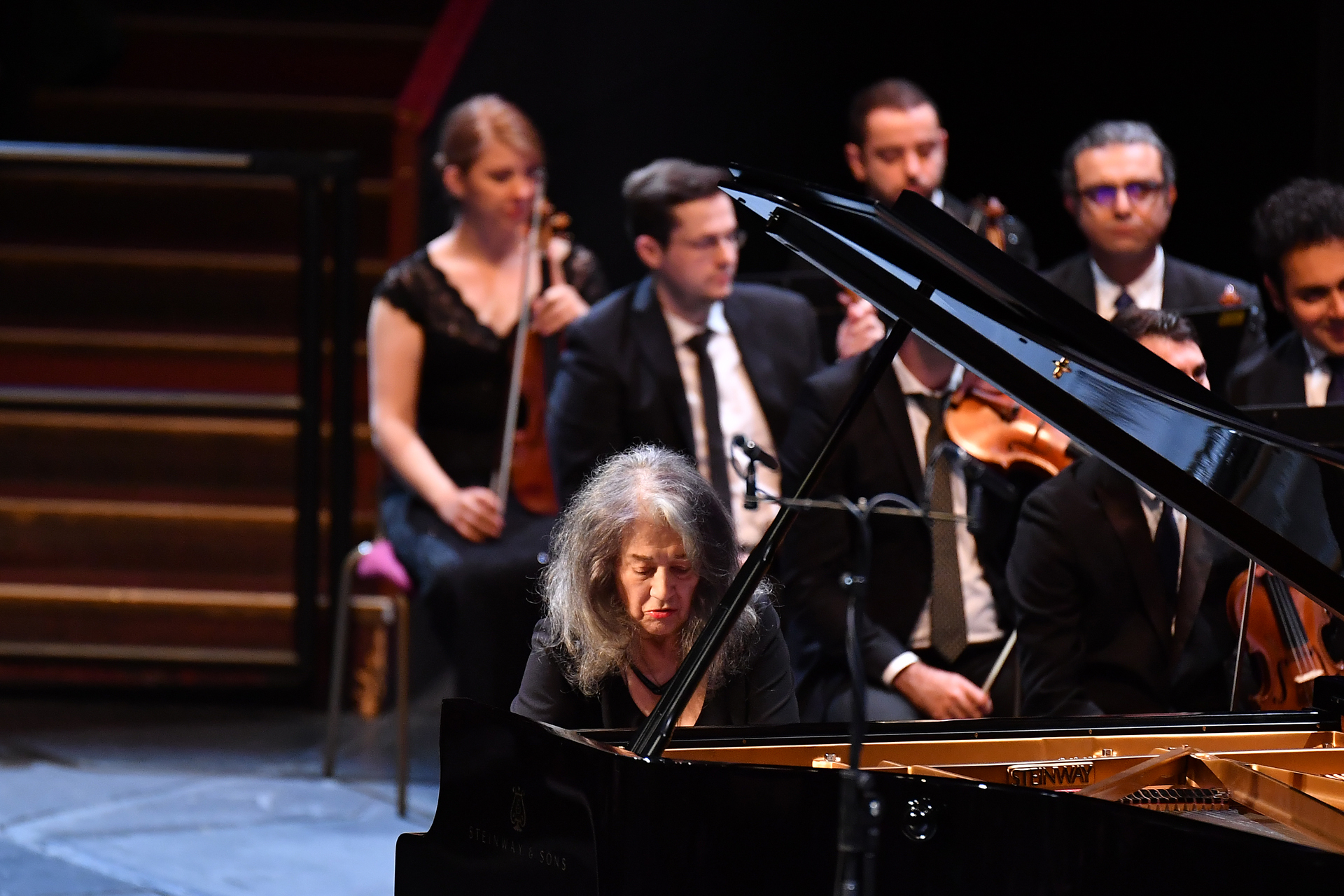 After the total "we're in it together"ness of Nicola Benedetti, Mark Wigglesworth and the NYO in Tchaikovsky's Violin Concerto earlier this Proms season, it was sometimes dismaying to see Martha Argerich (pictured above) ploughing her own furrow in the First Piano Concerto. Those massive chords as the big tune unfurls near the beginning might have been a warning: much too loud (at least from where I was sitting) for the string melody they are there merely to support; in any case, we now know that Tchaikovsky's original idea for the piano was gentler. Argerich wasn't going to adopt that, though many pianists do. She had her own idea about the tempo for lyrical respite - faster than Barenboim's and the orchestra's - and only let her magic truly work when the theme emerged around an exquisite trill on piano only.
Vintage Argerich were the moments of flyaway fantasy here and at the scherzoid heart of the Andantino semplice, the clear articulation of the finale's dance theme; but the ferocious double octaves would test the strength of any 78-year-old, robust though Argerich undoubtedly is; I have no problem with the occasional wrong note, but did she have to charge at them with so much sustaining pedal to cover up? And could she not have been more generous to her orchestra? I thought she was about to do so in her last bow, but the gesture to the leader was only to make sure they followed her off, preventing the audience from further demanding an encore.
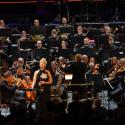
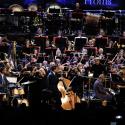
Lutosławski's Concerto for Orchestra brought teamwork back to the spotlight - a far-back one, incidentally, as Barenboim had clearly learned from the venue to make sure his strings were closer to the brass and wind on the steps behind, leaving a space on the platform in front of them as if for a rerun of the physical drama of his Proms Ring. Evenness in the Intrada met with the eastern European snap of the bracing first theme; the Mendelssohn-in-the-20th-century fairy world of the central night caprice was duly scintillating. 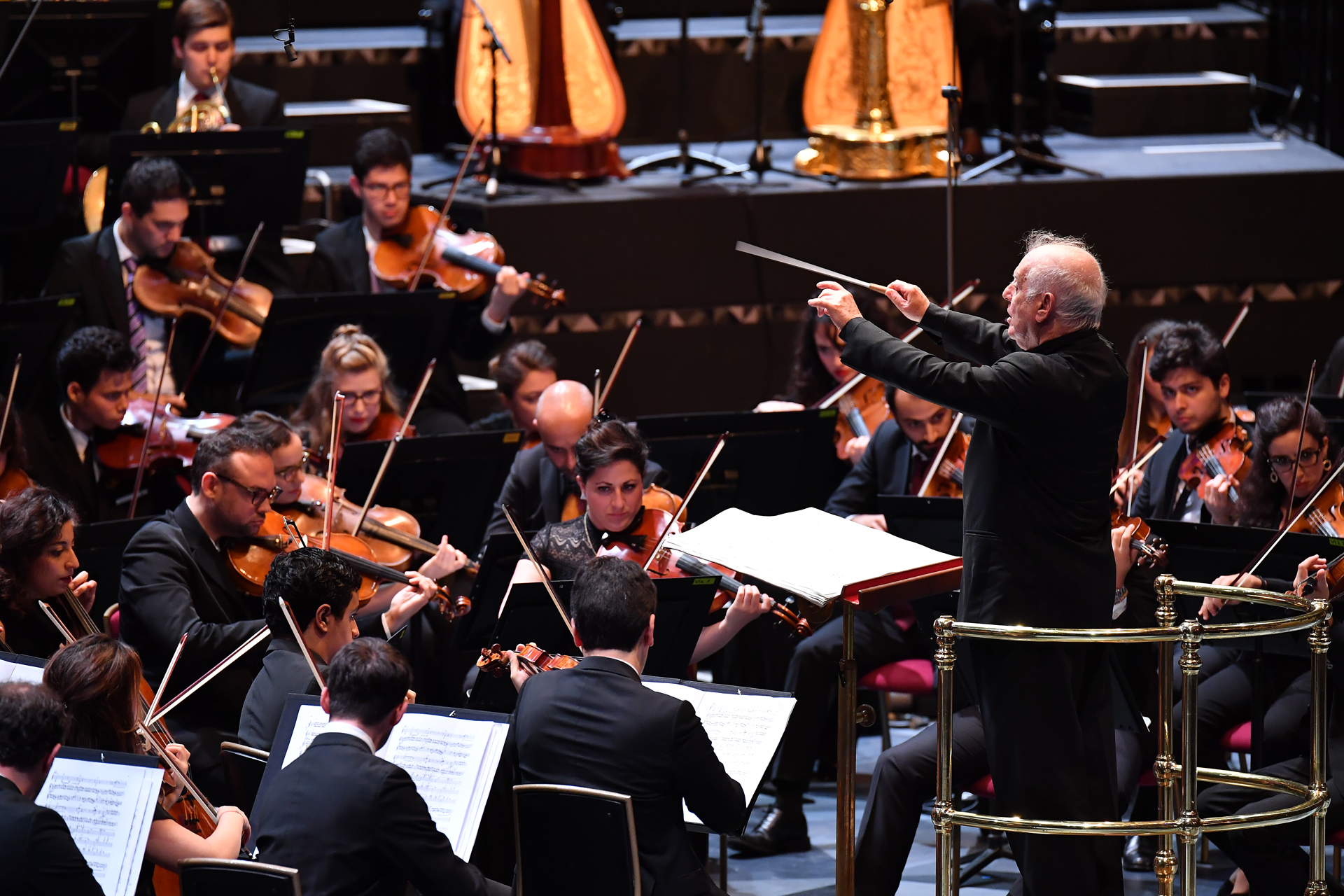 The player at the upright piano - why was he there throughout the first half, I kept wondering? - flecked the earlier of the Passacaglia variations on a nursery theme with brilliant precision; there was fascination as ever in the ominous clustering around the simple song, with not only the urgent brass writing but also the chains of thirds evoking Britten as the earlier movements had fleetingly anticipated Midsummer Marriage Tippett (composed at the same time; Lutosławski would not have known it).
Only in the later stages of the final fresco did playing flag a bit; to sustain its grandeur, the third movement ultimately needs extrovert daring. It wilted, too, in the NYO's Proms performance five years ago under Edward Gardner; the tautest, most rigorous hold is needed here. Yet the players certainly got the full measure of the magic which permeates the score, as it does Bartók's Concerto for Orchestra; neither work is just a showcase. We had more firepower in the encore, Beethoven's Egmont Overture, better in grim determination than in the final victory tour, which just missed true exhilaration by a hair's breadth.