

From Sakari Oramo’s riveting Nielsen symphonies at the Barbican to Thomas Dausgaard kicking off the Proms’ Sibelius cycle, the two Nordic immortals are well served in their 150th birthday year. The BBC Scottish Symphony Orchestra, whose reins Dausgaard takes over from the great Donald Runnicles in 2016, may not have the sheer heft of the Berlin Philharmonic strings we heard earlier this year in Rattle’s Sibelius. But the Glasgow-based players get much deeper under the skin, and prove so much lighter on their feet when the Danish conductor takes flight. Sibelius’s hard-to-handle treasury of riches in the First Symphony has never, in my experience, sounded fresher or more coherent.
Inevitably, the three days had to kick off with Finlandia, so untypical of things to come and about as revealing of the real Sibelius as Pomp and Circumstance is of Elgar’s heart and soul. Only one of the symphonies begins loud, the Fourth, and that’s with an extraordinary mix of bassoons with muted cellos and basses. But here we had the full brass snarls ricocheting around the Albert Hall, as smooth and legato as Dausgaard could make them, and the horns taking a while to settle. The great tune lilted without sentimentality, a hallmark of Dausgaard’s winged approach.
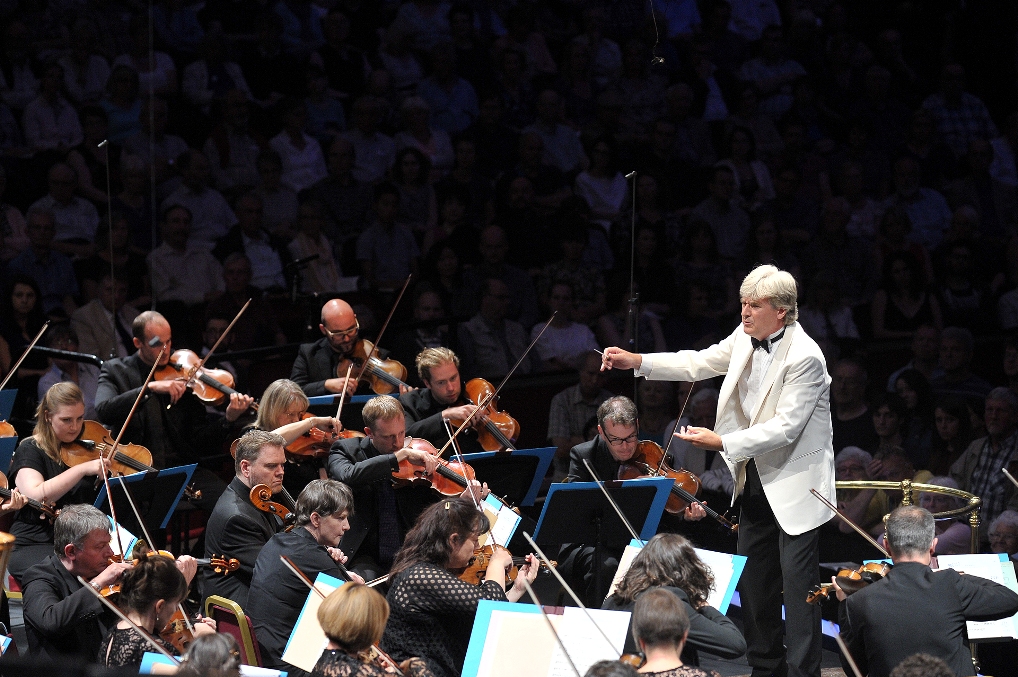 Enter the First Symphony in total, quiet contrast: nothing but a drum roll with a bardic clarinet solo over it that, in the consummate hands of Yann Ghiro, withdrew into total introspection once the timpani had stopped. With the adventure under way, every idea is inspired but many are oddly placed; Dausgaard fused them into a fluent, unpredictable adventure. The BBC Scottish Symphony strings can really inscape their music, as we heard in Runnicles’ masterly Mahler Fifth the other week; they did so here at the start of the slow movement. A brilliantly fast but always articulate scherzo flew headlong into the cry of a wounded heart which kicks off the fantasia-finale – also light on its feet, hurtling to disaster with only the big Tchaikovsky tune in its way. Utterly brilliant from first note to last.
The same crucial suppleness set its seal on Sibelius’s first properly integrated movement, the Allegretto which dances the Second Symphony into life. The approach here and in the sweeping melody of the finale was as febrile as that of Sibelius’s preferred interpreter, Robert Kajanus. But Dausgaard also plumbed the depths as the skies darken at the centre of that opening movement, its key phrase always articulately turned (more difficult than it seems; you can't say the same of many recorded interpretations).
The sustained heart and soul was the slow movements, where atmosphere triumphed over two near-disastrous lapses of ensemble. Sibelius himself suggested the image of the Stone Guest and Don Juan, but preparing for a study day on Sibelius’s music yesterday I came across an old recording of a Finnish runic folk singer where the melody of her refrain has identical turns of phrase to the lugubrious bassoon song. If that was majestically projected here, the way trumpeter Mark O’Keeffe handled a couple of phrases in the refrain brought tears to the eyes. There’s much about Dausgaard’s way that flashes past, but you know when you’ve got to the essence of Sibelius’s dark soul. Ilan Volkov, taking over the baton and the orchestra tonight, is bound to reveal more of it in the Fourth Symphony.
Read theartsdesk's reviews of other concerts from the BBC Proms


