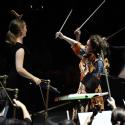
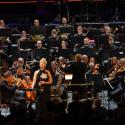
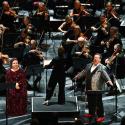
Conductor and pianist came at Liszt from opposite directions last night. Michael Tilson Thomas is a venerable presence at the podium and has been Laureate Conductor of the London Symphony for decades. Their relationship speaks of deep empathy and close communication. In the Liszt First Piano Concerto, MTT dug deep into the rich string tone of the LSO for round, warm sonorities, and always with plenty of bass.
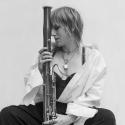
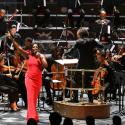
Lukáš Vondráček (pictured below) is a generation or two younger than MTT, and is the leading Czech pianist of his generation. He’s not a complete stranger to the LSO; they played Rachmaninov’s Third Concerto together in 2020, but his unpredictable outbursts at the keyboard, and often erratic tempos, set him apart from the steady, even strains of the strings behind him. Vondráček has extraordinary technique – several times his fast passagework drew gasps from the audience around me – but he is not an elegant pianist. He has plenty of power, and the percussive chordal passages here were stentorian and bold. Quieter music has delicacy and precision; you hear every note, even though Liszt would rather a cloud of notes. Melodies, too, are clear and precise, but sometimes lack a sense of flow. Liszt’s complex structure often relies on melodic bridges from the piano, but with Vondráček the new arrivals are often abrupt. 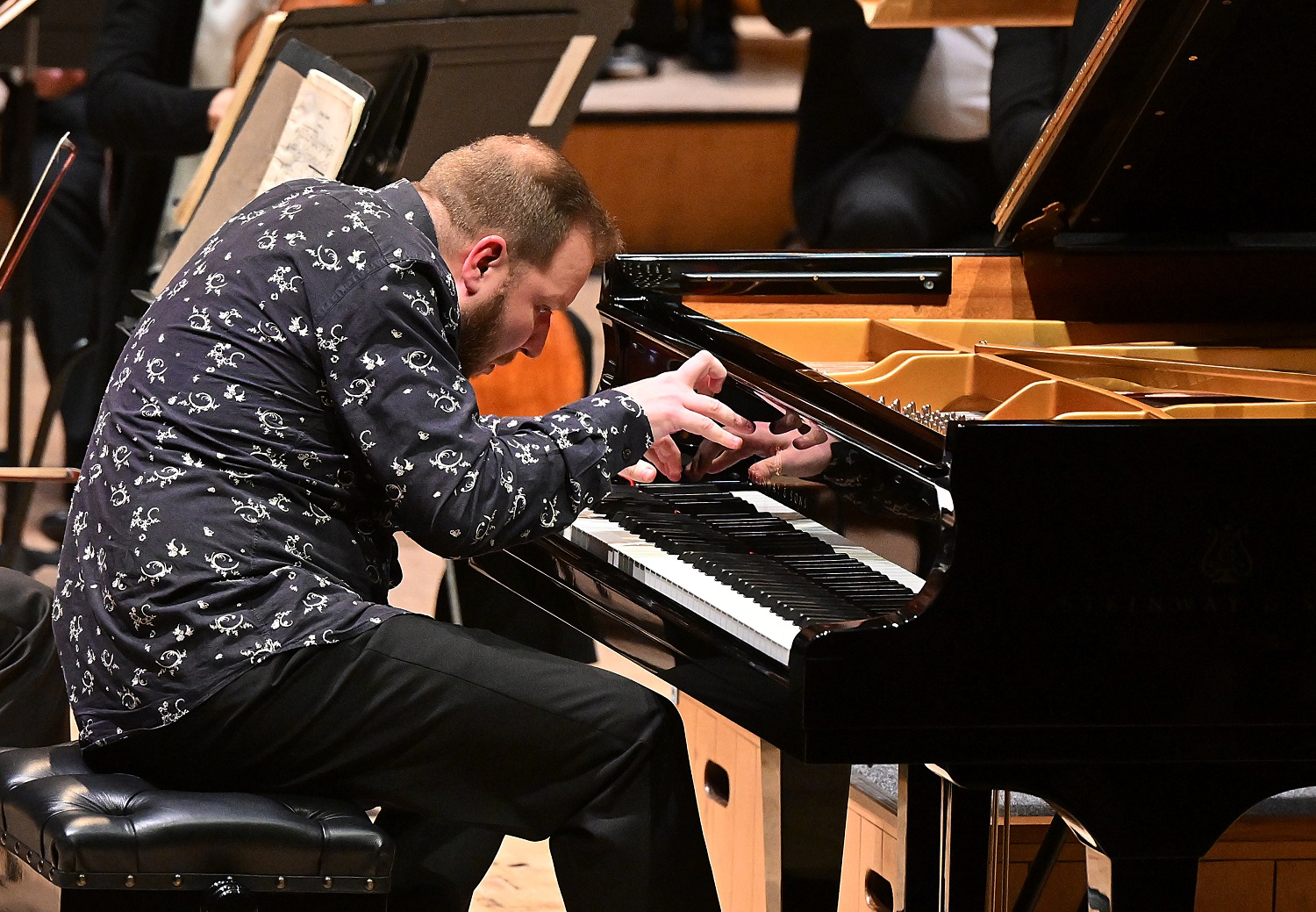 Sympathy to MTT for his efforts to follow Vondráček’s minimal cues and leads. Often, a regal string phrase would be answered by an erratic and jumpy piano solo. Those contrasts are in the score, but they are not the point of the music. Credit also to the triangle player, Neil Percy, who faced similar challenges. Unlike in some performances, he did not play from the front of the stage, though that might have been a good idea. The attacca into the third movement was particularly awkward, the usually unflappable MTT nervously holding back and scrutinizing the pianist’s face for a sign. But the tensions only went so deep, and the fine playing from all concerned carried the day. Whatever Liszt’s metaphysical aspirations, the work remains a virtuoso showpiece, and on that level it worked fine.
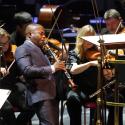
MTT and the LSO both have long track records with Mahler, but again, the differences are instructive. The most recent LSO Mahler has been with Gergiev and Rattle, both conductors known for their intensity and keen sense of drama. MTT is a more stately presence – though he is certainly lively for 77 – and his Mahler is more about continuity and elegant phrasing than the sensation of the moment. The opening trumpet fanfare of his Symphony No 5 – beautifully played, marital but slightly timorous, by James Fountain – was followed by a glittering orchestral outburst. But for MTT this was just a prelude to the quiet string melody that follows. Here, he put real passion into the phrasing, and the results were sublime. Similarly in the second movement, that passage where the music stops and an ethereal melody appears unaccompanied on the cellos, a moment of real magic under MTT’s baton. By not pushing the climaxes, he gave the LSO brass the space to shine. An elegantly bound copy of the score sat unopened on the conductor’s stand though the first three movements. In a pause before the Adagietto, MTT opened it and examined the music to follow, conducting from the score for the remainder of the work. Curious behaviour, but providential, as the Adagietto turned out to be the finest part of this performance. The opening tempo was relatively brisk, but almost immediately MTT began shaping the phrases, subtly pushing and pulling, and always with the LSO strings hanging on his every beat. The first climax, a blazing major chord a few minutes in, had intensity and power, thanks in large part of the cellos and basses, positioned stage right and close to the audience. The end of the movement was also dominated by the bass, and as the melody gradually dissipated, it left just the deep pedal, quiet but with a focused inner intensity.
The finale was again on the steady side, propulsive, but without any sudden interventions from MTT. The weight and agility of the lower brass ensured that every climax shone. But the quieter passages felt less focussed. The final lick of the finale coda, which admittedly was precise and thrilling, was followed by an immediate and jubilant standing ovation from the capacity Barbican audience. Clearly my reservations were not widely shared.
- This concert was recorded for LSO Live and for deferred broadcast on Marque TV
- More classical reviews on theartsdesk