

The world of the 17th-century tavern is a long way from the contemporary concert hall. A quick glance at the scene in paintings by Jan Steen or his contemporaries shows us a joyful tangle of men and women, dogs, cats and small children, all engaged in a riot of drinking, dancing, brawling, music-making and love-making (occasionally even napping) while hens stroll officiously across the floor pecking up crumbs. It looks noisy, dirty and a jolly good time.
There were no dogs or hens (or napping, that I could see) at Bjarte Eike’s latest Alehouse Session at the handsome Middle Temple Hall. But, as Charles I looked disapprovingly down at us from his panelled wall, there was something even more alien: that sense of spontaneous, unbuttoned, conversational music-making that we lost somewhere along the line when concert-goers morphed from individual listeners and companions to a passive, paying audience sat in silent rows.
Norwegian violinist Bjarte Eike’s project is a moveable feast. You never know what you’re going to get, and often there’s no set-list to help. So you surrender and let the group take you where they will. Songs are passed around and shared like bar-snacks; tunes by Purcell and Playford jostle with folksongs and dances, and while the setting is Cromwell’s England, where the closure of the playhouses has driven all the musicians into the alehouse, the repertoire roams freely across Europe and often beyond.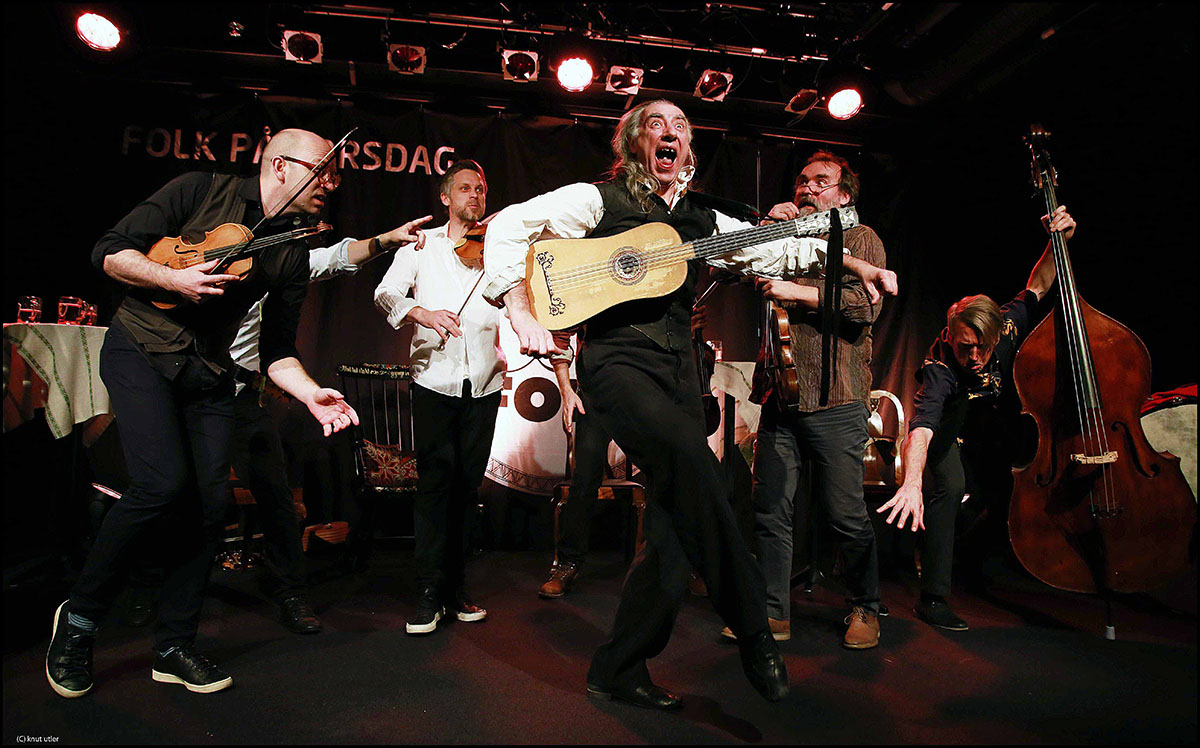 The Alehouse Boys (the after-hours alter-ego of Eike’s Barokksolistene) have expanded in number since their last visit to London. The addition of Hans Knut Sveen’s Indian harmonium (imagine an accordion disguised as a sewing machine), Judith-Maria Blomsterberg’s cello and – most strikingly – Slovak violinist and singer Milos Valent, changes the flavour of the band, giving us welcome new rasp as well as richness.
At the centre, though, is the charismatic Eike, whose fiddle can turn on a dime. One moment we’re craning forwards to hear the lightest whisper of a lullaby, the next we’re pinned back by a flurry of riotous semiquavers and riotous, stamping dance. Like jazz, the music passes between players, each stepping out of the texture in turn.
The Spanish Set (“It’s called the Spanish Set because it contains three English dances," Eike quipped) gave us a swaggering extended solo from guitarist Fredrik Bock, while violist Per Buhre stopped clocks and hearts for a moment with the simplicity of his “My Love is Like a Red Red Rose”. A riotous rendition of “The Raggle Taggle Gypsies” (complete with guitar-horse and Monty Python-style galloping) saw soprano Mary Bevan plucked from the audience for a gorgeous cameo, while Valent’s two songs found an astringent beauty and heightened drama we can lose in the studied, off-the-cuff ease of these performances.
But before we could kick off our shoes at the tavern, the group offered us a first-half lay-over in the 19th century with Schubert’s Die schöne Müllerin. But rather than cage a story noisy with brooks and mill-wheels, bright with flowers and woods in the salon, this account (complete with tree, branches stretched out over the performers) seemed made for village green.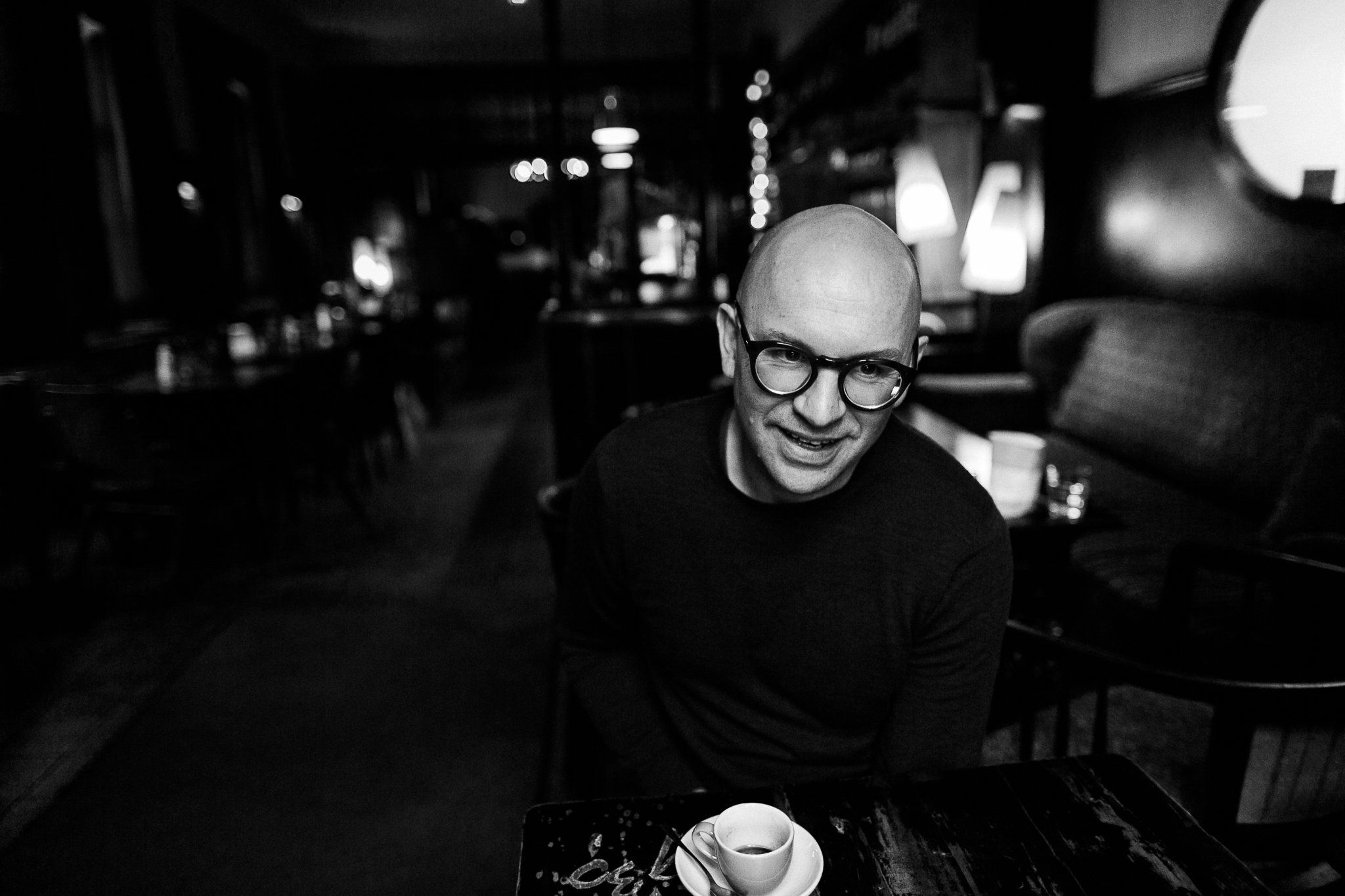 Baritone Thomas Guthrie (pictured above) – a longstanding member of Eike’s group – was soloist, director and arranger of a dramatised version of the cycle that not only framed it with spoken Prologue, Epilogue and interjections (whose winsome rhyming couplets quickly palled) but also staged it complete with two actors (Sean Garrett and Rhiannon Harper Rafferty) and a puppet Miller-Boy.
There’s a lot going on in Guthrie’s account. Do we really need all the elements? It does feel like diminishing returns, overloading these slight songs with too much stage fuss and faff while neglecting some of the care that, in a traditional performance, can conjure worlds from a tiny inflection of vocal tone or articulation. But the arrangement for Eike and the Barokksolistene is superb – a fusion of folk, soundtrack and even jazz that finds unexpected new accents and colours in the familiar cycle.
A good group makes it fun for the audience, but a really great one manages to have fun themselves while doing it. I can’t think of players I’ve seen recently enjoying their job more obviously or generously than this. One concert, taken twice a month, could see us all through a long winter.





Add comment