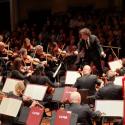
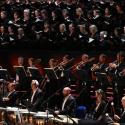
There is nothing to compare with the visceral experience of hearing a massed choir – in this case the 230-strong combined forces of the Crouch End Festival Chorus and the Hertfordshire Chorus – in full-throated fortissimo. Add in a team of stellar soloists and an inspirational conductor and the result was a very enjoyable musical evening at the Royal Festival Hall. My only reservation was the piece itself, Elgar’s lesser-known oratorio The Kingdom, with which conductor David Temple “can find no fault” but by which I was less convinced.
The same forces as in this concert performance recorded The Kingdom for Signum Classics last year (minus the Hertfordshire Chorus and with the London Mozart Players instead of the London Orchestra da Camera) and I reviewed it for theartsdesk, enjoying the singing of soloists and chorus alike. But although the singing comes over even better live than on record – as it is bound to, as a physical experience – I found my doubts about the piece amplified rather than assuaged. I should confess I am not a great lover of Elgar oratorios (I meet so many musicians who declare complete devotion to The Dream of Gerontius that I am clearly the outlier in just not getting it) but I can certainly appreciate its virtues. But I found there were stodgy passages in the course of its 90-minute running time, not helped by a heavy and earnest biblical text narrating the early Acts of the Apostles lacking in light and shade and narrative impulse, and a restless Wagnerian harmony that wanders restlessly hither and thither.
As with the recording, the sizeable orchestral Prelude is in some ways the most successful part of the piece, stamped with Elgar’s unmistakable symphonic footprint, which would work as a standalone piece. This led to the dramatic and stirring first entry of the choir with “Seek first the Kingdom of God and His righteousness”. The discipline and togetherness of the combined choirs was an impressive feature of the whole evening, whether in the beefy passages of the lower voices in Part 1 or the women’s voices as the Mystic Chorus of Part 3. And the chorus is fully occupied throughout, right to the final, peaceful “Thou, O Lord, art our father, our Redeemer, and we are Thine.”
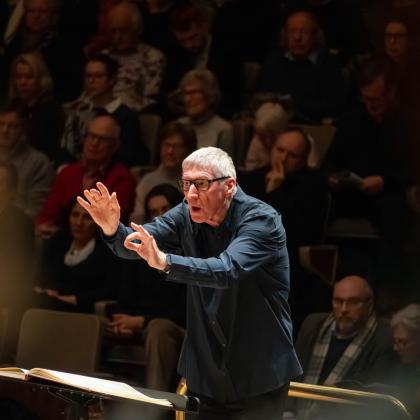
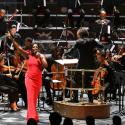
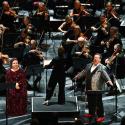
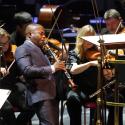
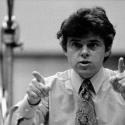
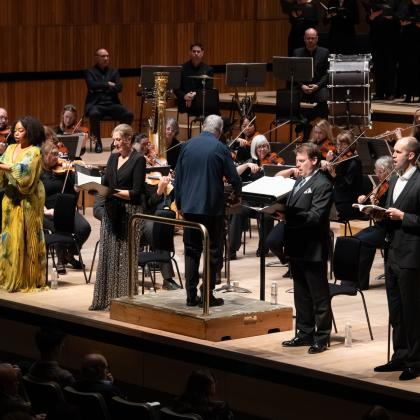
The soloists were terrific, as on the recording. The busiest was bass Ashley Riches, often wading his way through tranches of text, but always singin eloquently and with subtlety, even when accompanied by the full orchestra. Tenor Benjamin Hulett had less to work with, but was powerful and focused in a grand duet with Riches in Part 4. But for me the highlight of the piece, following the slightly overwrought opening section, is the long two-hander for soprano and mezzo, personifying Mary and Mary Magdalene, that comprises Part 2. Francesca Chiejina and Sarah Connolly here revelled in more relaxed music that recalls the sweep of “Nimrod” from the Enigma Variations, their voices well matched in gleaming intensity. “The singers are before the altar”, they sang, and there is a reverence to the music that carried me along. Hats off to David Temple (pictured above) for his advocacy of this piece, which couldn’t have been given a more sympathetic reading, despite my reservations about this most ambitious of Elgar’s conceptions.