This is the sixth revival of David McVicar’s production of Die Zauberflöte at Covent Garden since its debut in 2003. It was heard most recently in 2015, and is modestly described in the Royal Opera’s own publicity as a “classic”. Having not seen it until now, I enjoyed the singing and was impressed with the set and lighting, but I found the staging in some ways neither fish nor fowl.
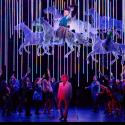
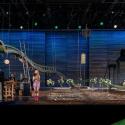
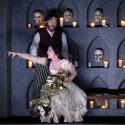
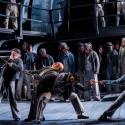
Last year, Alexandra Coghlan for theartsdesk found Simon McBurney’s production at English National Opera to be “revelatory” in its inventive theatricality. Here McVicar, and revival director Thomas Guthrie, dip their toe in these waters with the giant puppet snake that starts the opera, and the masked animals dancing weirdly when Tamino plays the flute in Act One. But for the most part the staging is fairly traditional and perhaps a touch tame, when set against the ambition of the set design.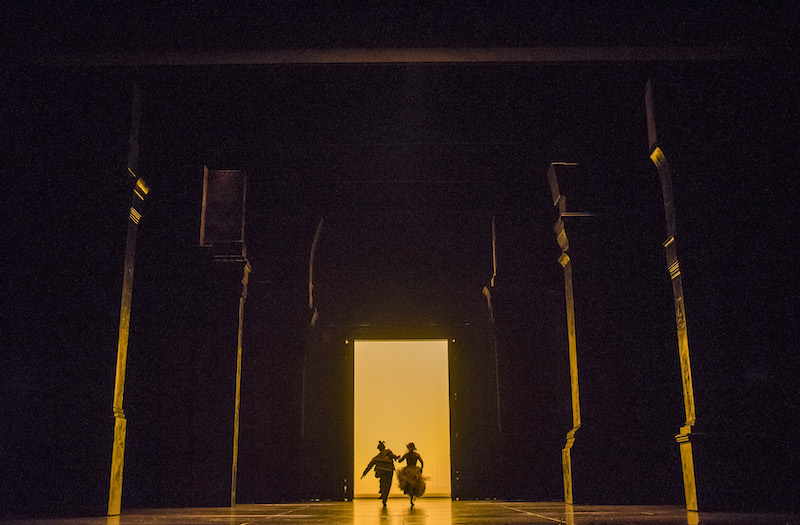 The set is grandiose, all dark marble columns that loom in and out, with occasionally colourful backdrops: a bright yellow sun in the finale, a red sky behind Sarastro’s first entrance, a craggy blue for the Queen of the Night (a stern Sabine Devieilhe). The costumes are mostly muted colours, the lighting mostly low. But all this seems somehow at odds with the colourful exuberance of so much of the music, and the artless folk-like melodies that predominate.
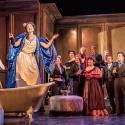
I would not be the first to observe that the story is the sheerest nonsense, cobbled together from disparate sources by the entrepreneur and original Papageno, Emanuel Schikaneder. The spoken dialogue (delivered here in German) is comic, but at times the audience, especially in the first half, seemed to be laughing rather dutifully. The second half provoked more spontaneous laughs, Roderick Williams as Papageno channelling his inner Stan Laurel. The slapstick, and attempts at audience interaction, are broad, but engaging and funny.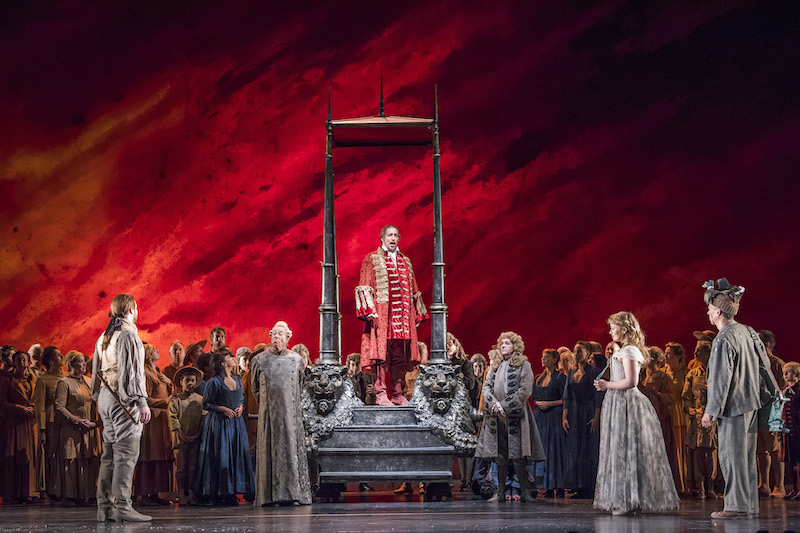
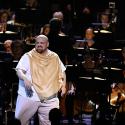
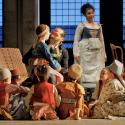
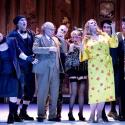
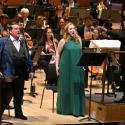
The singing was (almost) uniformly excellent. For me the standout moments were the bass arias for Sarastro (Royal Opera debutant Mika Kares) in Act Two. In “O Isis und Osiris” in particular he was rich and resonant, a proper bass for a proper bass aria. Kares (pictured above) had a statuesque authority in the role that contrasted well with Williams’s foolish but well-meaning Papageno. I must praise the Three Boys, James Fernandes, Oliver Simpson and Jayden Tejuoso, whose singing was crystal clear and had evident enjoyment in their appearances.
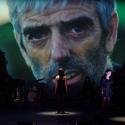
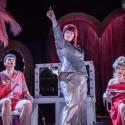
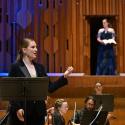
Devieilhe as the Queen of the Night (pictured below) gave a coldly furious “Der hölle Rache” that had sufficient wow factor, and made up for a slightly imprecise Act One aria. Mauro Peter, another Royal Opera debutant, had no difficulty filling the stage as Tamino. Siobhan Stagg’s Pamina was an assertive heroine, but also affecting in her Act Two misery, floating high notes with the utmost control.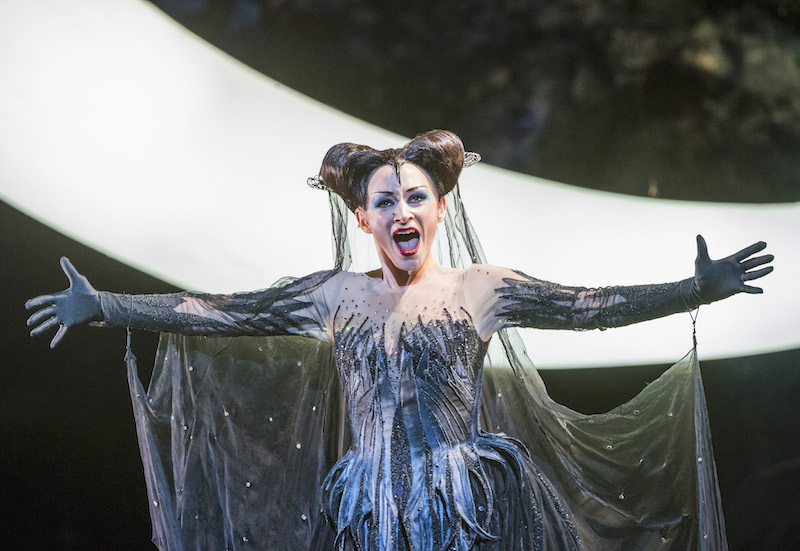 It was notable that the libretto’s more problematic sexist lines – “women do little and talk a lot” or “without a man, a woman cannot fulfil her destiny” – were greeted with laughter from the audience. There is no need to rail against these offences to modern sensibility: derision is a much more powerful response. And Mozart’s musical depiction of Pamina as a strong woman is likewise.
The conductor Julia Jones maintained steady tempos and the orchestra were poised and controlled, never anything less than refined, but never pushing the boat out. The horns sounded terrific as did, fittingly, flautist Danuel Pailthorpe.
This production is visually very striking and beautiful to look at. It was also good to listen to. But although I did enjoy it a great deal – and the evening did go past very quickly – in the end I was left wondering if there was quite enough magic in this Magic Flute.