There’s a grail, but it doesn't glow in a mundane if perverted Christian ritual. Three of the main characters have young and old actor versions and the “wonder-working spear” is a knife in a Cain and Abel story superimposed on Wagner’s myth (as if that wasn’t complicated enough). Kundry, whom the composer defines as literally flying between “good” and “bad” worlds, enters primly in the first two acts bearing a tea-tray.
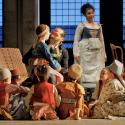
Strong tableaux abound in young Dutch director Jetske Mijnssen’s production, Glyndebourne's first Parsifal, but they restrict to this world Wagner's sublime swansong score, which gleams in the fine-shaping hands of Glyndebourne Music Director Robin Ticciati and the incredible sonorities he draws from the London Philharmonic Orchestra. The frisson was immediate yesterday afternoon as the first unison rose out of the near darkness to glow. A hushed audience helped in the long silence that followed. Ticciati lovingly shapes every phrase, drawing a special inner tenderness from the strings over large stretches of the score in a way I've only experienced in the opera house once before (from Bernard Haitink). The brassy torments of Act Two are equally well handled. On his own terms, Ticciati doesn't put a foot wrong. 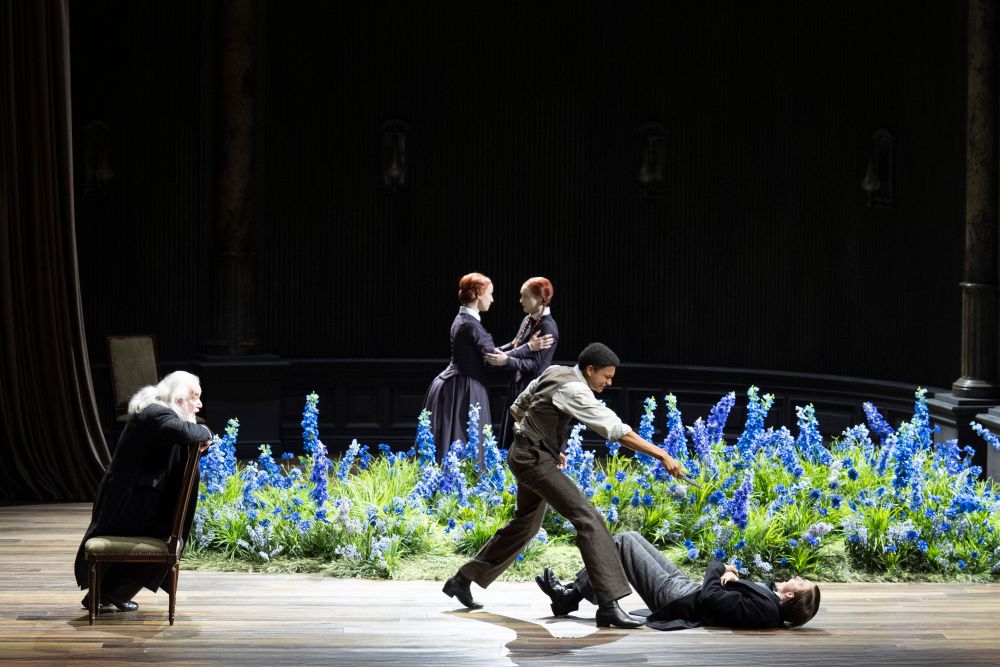 Only once in the Prelude does the curtain rise, showing a red-headed woman in Victorian dress sitting at the bedside of an invalid, soon falling and yielding to a projection on the front cloth telling us of Cain and Abel. This is an idea too far for just about anyone, but especially for any newcomers to the story: as a young Klingsor and Amfortas fight in front of a field of delphiniums – just about the only bright colours in a predominantly grey set (pictured above by Richard Hubert Smith: John Tomlinson, Kristina Starek, Cecilia Young, Hugo Dunkley and Cameron Fuller) – Grail guardian Gurnemanz's narrative of events before the start of the opera, resonantly announced by superb bass John Relyea, got lost. After the first act I asked my companion, a first-timer, what he thought the pre-history was, and, like Parsifal to Gurnemanz in Act One, he simply said "I don't know". Others related similar experiences.
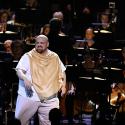
Besides, Mijnssen doesn't really allow Relyea much dramatic agency in this act; only compare the concept to Harry Kupfer's, now on DVD, where everything the narrator tells us is vividly gestured by John Tomlinson. Here he plays Amfortas' father Titurel, present from early in Act One, a figure who turns out to be bullying in making his son go through with the grail ritual but whose interaction with the back-story isn't always clear. 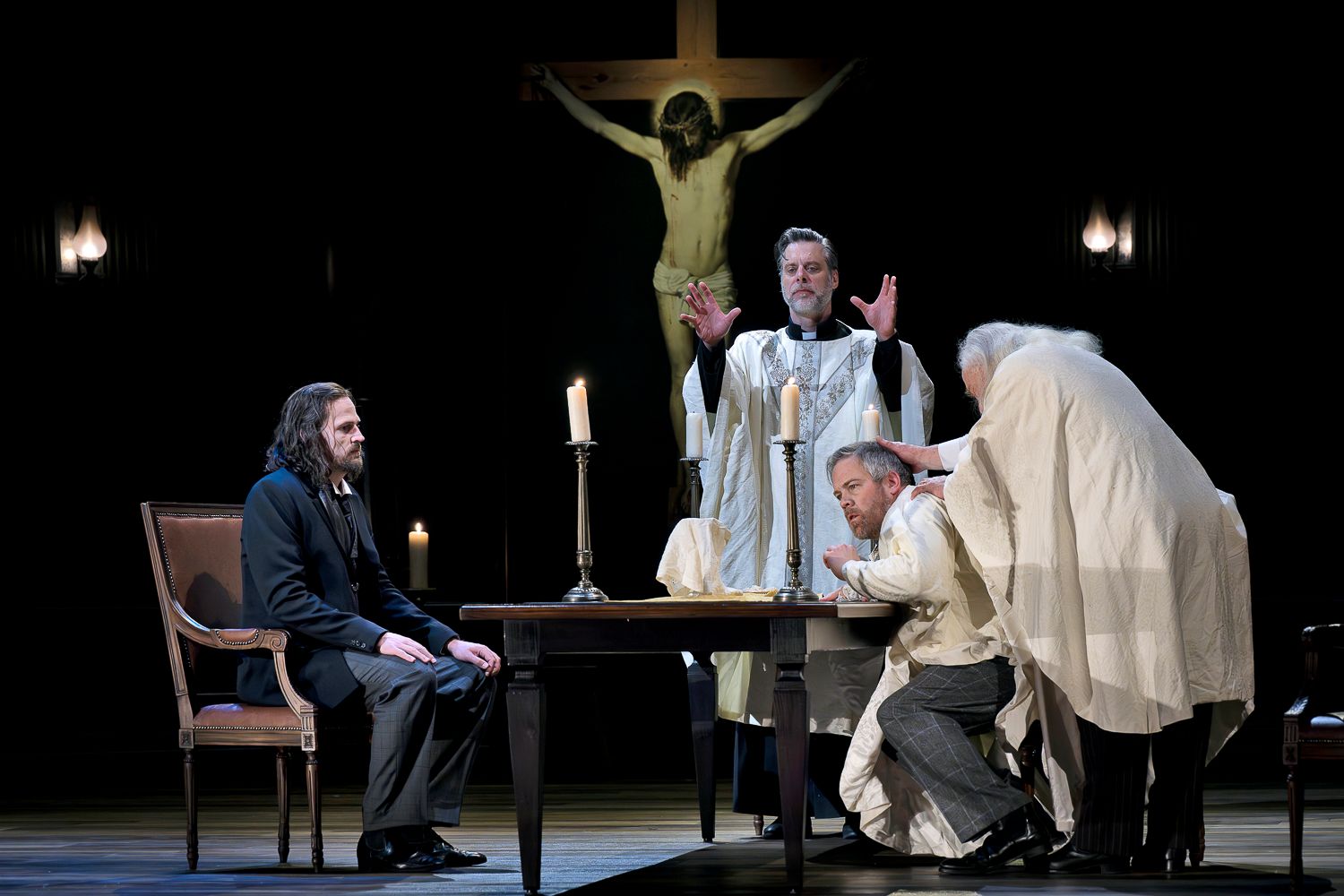 Everything takes place in the grail room (one can hardly call it a hall). So when the strings rise to the heights to depict a fresh early morning in the forest, we have internal darkness. Once pulled back, the shutters let in some sunshine (Ben Bauer's set and Fabrice Kebour's lighting are masterly in what they're allowed to do). Parsifal is no wild child, though he bears the requisite dead swan he's shot, but a smartly dressed bourgeois. As he's already in the temple, there's no need for Gurnemanz to lead him on a journey; candles make do for a transformation as the orchestra sings bigger mysteries, amplified by unison splendour from the magnificent men of the Glyndebourne Chorus.
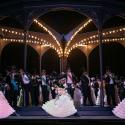
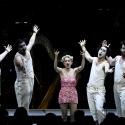
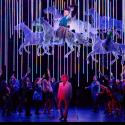
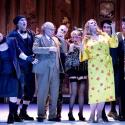
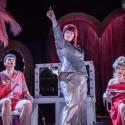
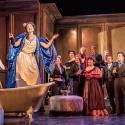
They're not present for the unveiling of the grail, impressively conducted at a table with Parsifal very directly involved, and refusing to participate (pictured above by Bill Knight, Daniel Johansson, John Relyea, Audun Iversen and Tomlinson). The communion is followed by a strong, shocking gesture: at the one point where Wagner gives the participants banal, "Onward, Christian Soldiers" music, Mijnseen has them beat up Parsifal. Similar brutality – hair-pulling – has been inflicted on Kundry earlier. 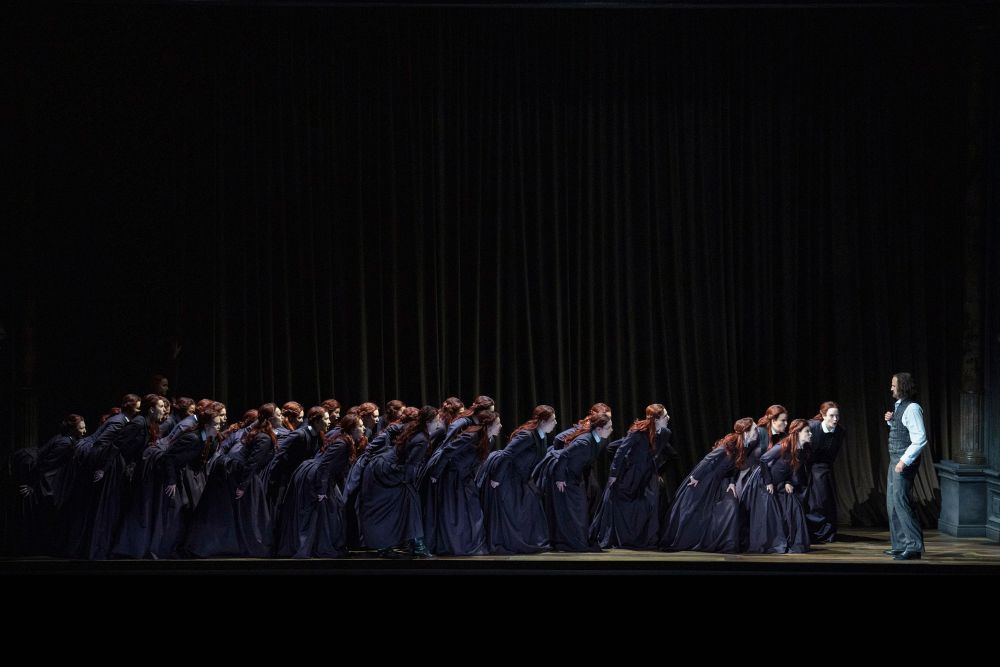 If this is turning into an "and then" kind of review, with possible spoilers, I apologise, but it needs to reflect the audience's shifting dialogue with the chosen narrative. Act Two has some of Mijnssen's most striking ideas, though Klingsor (Ryan Speedo Green, energetic in his torment) is no sorcerer and Kundry has never been in a trance. The Flower-Maidens are multiple versions of her, tormenting their supposed master as well as teasing Parsifal (pictured above by Richard Hubert Smith). Dustin Klein's choreography works hand in glove with his director, producing the right moments at the right time.
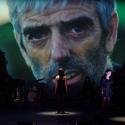
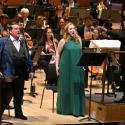
In what follows, both singers articulate the bewildering sex/mother complex superbly. Kristina Stanek is a lustrous mezzo, dealing as well as she can with the high soprano range, though the vibrato spreads at times above the stave. Even so, her chilling narrative of how she laughed at Christ on the cross has the full spine-tingle on the drop from a top B to a low middle C sharp. Swedish tenor Daniel Johansson has all the heft for the anguish of Parsifal's reaction to the wound's significance (the two pictured below by Bill Knight). 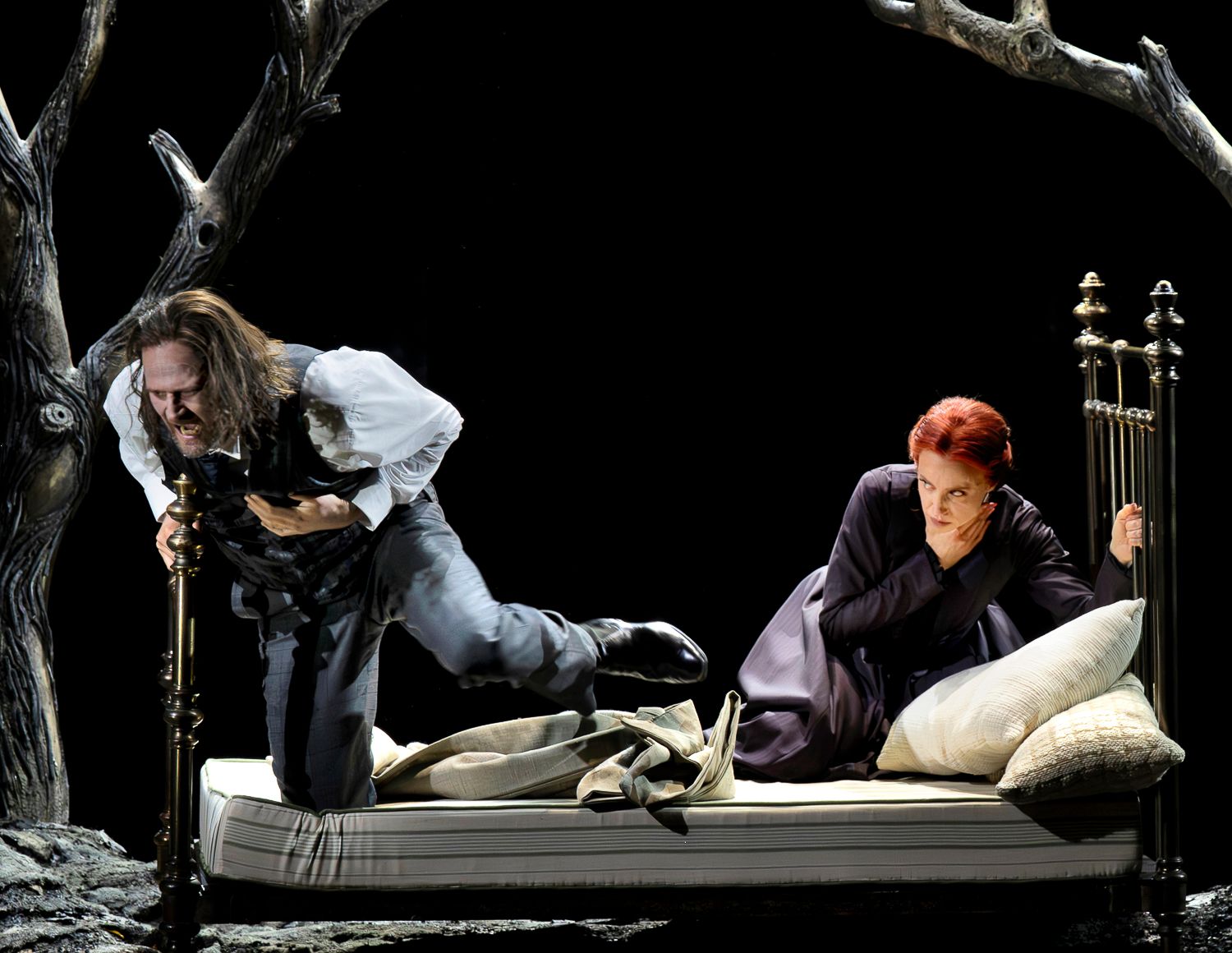 The dream world is heightened by a figure representing Parsifal's dead mother, Herzeleide and Kundry's long-delayed transformation into a sex-hungry vampire. There's no miraculous deflection of the spear (since it's a knife which you can hardly see from far back in the auditorium) but a gloss in which Parsifal is going to take the worsted Klingsor with him on his wanderings.
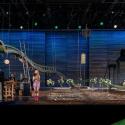
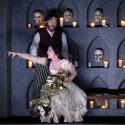
His return to the grail room from the long travails is confusing again. There's an old Kundry and an old Amfortas, even eventually an old Klingsor, but their present versions are there too, the Kundry undishevelled and not even crying out. Parsifal seems to have discovered the elixir of non-ageing on his tormented wanderings. Mijnssen then shifts back into proper focus. Kundry does her Magdalene act in washing Parsifal's feet (pictured below by Richard Hubert Smith) but, very movingly, he washes hers too. 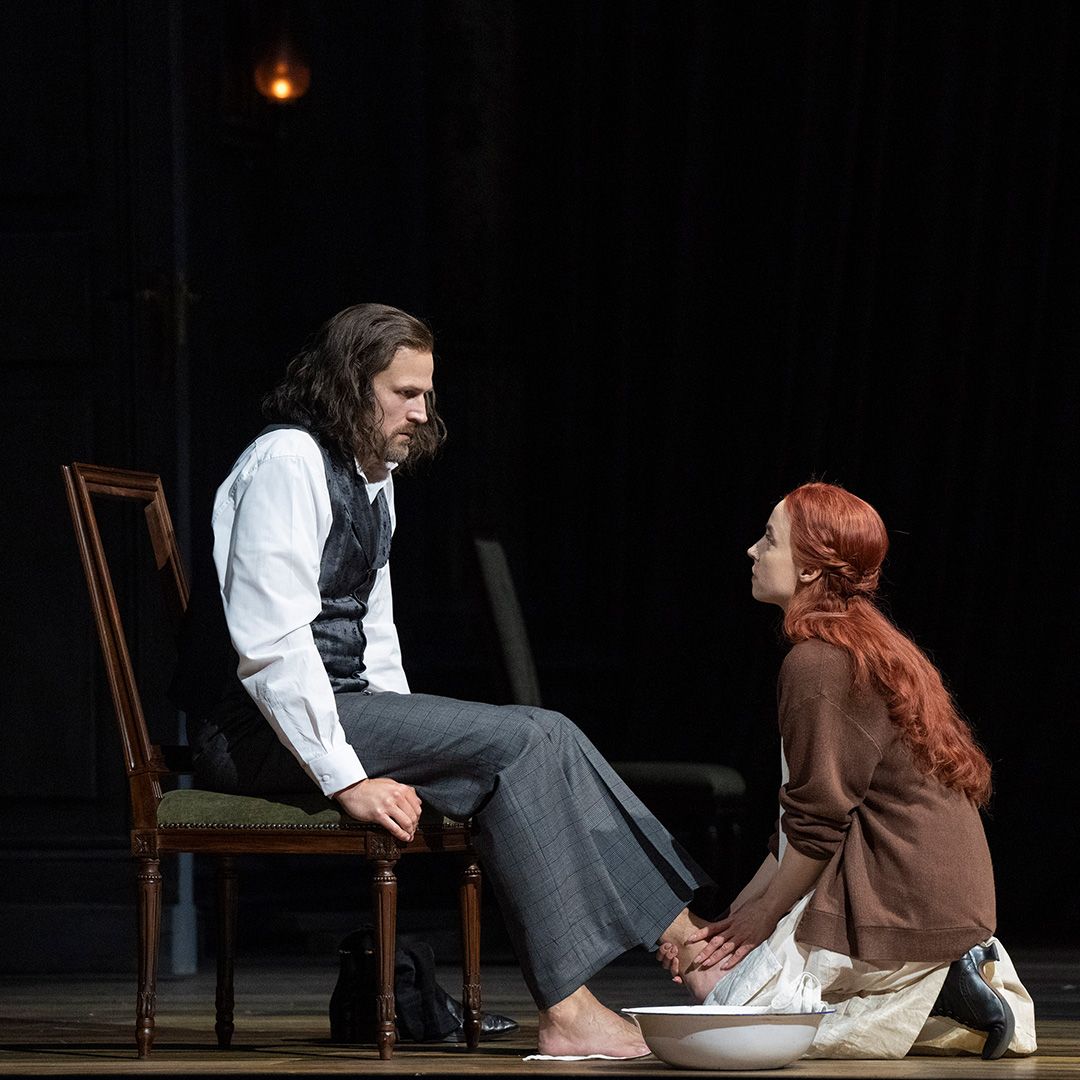 Relyea's magnificent delivery of the Good Friday narrative meshes with the supreme tenderness of Ticciati's interpretation and the action: no flowers, but a human interaction that continues the heightened state. Audun Iversen, too, rises to the anguish and the beauty of Amfortas's second monologue. The staging continues to give us strong images: Titurel gets a full state funeral, but the final tableau leaves us with the ultimate reunion of Amfortas and Klingsor – the Cain and Abel story with a blessed end – with only Parsifal and Kundry looking on. Baffling, but oddly beautiful at last.