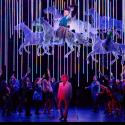
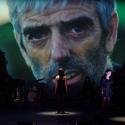
Poor, slightly silly Semele fries at the sight of lover Jupiter casting off his mortal form, but in Congreve’s and Handel’s supposedly happy ending, everyone else rejoices that Bacchus is the offspring of this dalliance. Or do they? Not in the new production by Royal Opera supremo Oliver Mears, who’s always favoured the dark side. As in trendy dramas like TV’s Kaos, the gods are the callous rich, mortals their plaything servants.
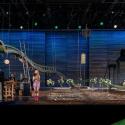
The style that guides the creepiness, with an ominous fireplace central in Annemarie Woods’ pointedly chilly, unpretty designs, isn’t always there in the singing (Woods, incidentally, also designed the Glyndebourne "Wicker Man" version). Pretty Yende (pictured below by Alice Greenwell with Alice Coote) as the eponymous godstruck girl has heavenly precedents to match: Rosemary Joshua way back in Robert Carsen’s sensuously beautiful ENO production, Louise Alder in a concert staging, Joélle Harvey at Glyndebourne. Her delivery is more hit and miss, though I’m worried that the voice doesn’t sound in as good health as it was when she hit the London scene back in 2015.  The string of memorable numbers Handel gives her always needs to shine. “Endless pleasure” at the end of Act 1 and “Myself I shall adore” as she gazes in Juno’s flattering magic mirror don’t, which may have something to do with Christian Curnyn’s not always bouncy conducting of the Royal Opera Orchestra, which starts well; “With fond desiring”, on the other hand, finds her perfectly at one with the violins in the runs, not easy, and the coloratura fireworks for which Yende is famous come off in the final flare of “No, no! I’ll take no less”.
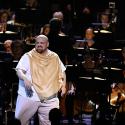
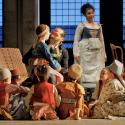
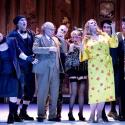
Dramatically, she’s completely plausible, flashing that delighted smile at regular intervals, petulant and troubled when she should be enjoying herself in Mears’s ominous take. Ben Bliss’s tenor is perfect for her lord and master, bright and slightly cold; in any case, this “Where’er you walk” isn’t by any means a pure idyll. Their chain of alternately loving and goading arias in the second and third acts reminds us how very operatic this so-called oratorio truly is.  Yende teams up well with Niamh O’Sullivan when sister Ino visits (pictured above by Bill Knight); it’s a pity we don’t get to hear the Irish mezzo’s lustrous tones more sustainedly than in just “But hark! The heavenly sphere turned round”. Ino’s mortal suitor Athamas is even more cipherish, and even Mears’s bleakness in the post-burning epilogue can’t quite justify his belated flash when we haven’t seen him for an act, though Carlo Vistoli gives the last aria plenty of energy. The first act can be slow to kindle, but Mears tells the story of a maid tending the grate who catches Jupiter’s eye well before and during the Overture. Brindley Sherratt can’t make much of Major Domo Cadmus, but he shines as Somnus, the god of sleep slowly roused by Juno and assistant Iris to further the jealous wife’s plot against Semele.
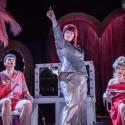
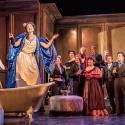
This is very much the most visually striking and comic scene (pictured below by Alice Greenwell, with Coote, Sherratt and Mariana Hoanisyan), set in a basement bathroom of the regents’ palace: the second time in two days I’ve witnessed a man in a bath amusing an audience after the interval (with Huw Montague Rendall’s Count Almaviva in the Glyndebourne Figaro, the situation was very different, though both situations have a servant harassed by her master – in this case an excellent dancer, not named in the programme, as the nymph Pasithea). Alice Coote's Sybil-line, as in Fawlty Towers, not mythologically speaking, Juno holds the stage whenever she appears; “Hence, Iris, hence away” is the high-camp romp it’s supposed to be, and Mariana Hovanisyan’s Iris sings her only aria very prettily just before it. 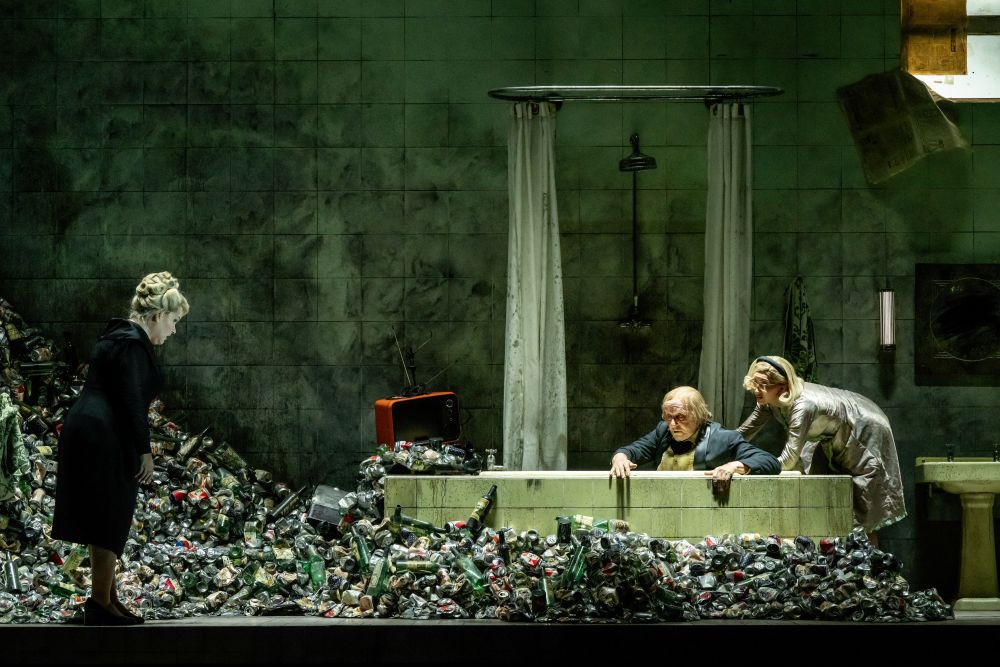 It's all downhill dramatically thereafter, in the right way, with some especially nasty business before Semele expires. The Royal Opera Chorus relish their wonderful variety of numbers – the "auspicious flashes" of which they first sing coincide with one of many lit cigarettes, pursuing the fire motif – and move as well as Sarah Fahie asks them to, in some especially quirky and unsettling choreography to complement Mears’s weird vision.