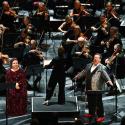
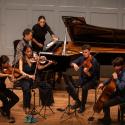
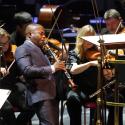
Nearly two weeks into the latest lockdown, and already I feel nostalgic about the last day of freedom. You should too, just watching the film released last night of the CLS’s most recent happening in Southwark Cathedral. It’s of the evening performance; I was there in the golden afternoon, sunlight flooding the nave, we spectators free to wander albeit in one direction and masked and head for one of the points of the Charles Ives-like soundscape that suffused the place to hear what a musician had to say, and play, about his or her part in Haydn’s Symphony No. 104.
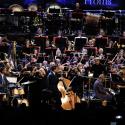
Haydn had more forces at his disposal in London, thanks to impresario Salomon, than at the Esterházy court in Eisenstadt for which he wrote the majority of his always experimental symphonies. This move towards a remarkably full orchestra had been prepared not just by what came immediately before it that Wednesday, but across the triptych of CLS concerts in the cathedral. They began with Sitkovetsky’s trio arrangement of Bach’s Goldberg Variations, continued with a bracing string-orchestra concert of Elgar and Tchaikovsky, and continued in the Haydn concert with chamber-musical movements.
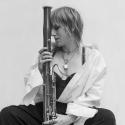
 Before those we had the benefit of what I see on the film is called “talking programme notes”. My friend and I found ourselves at the west end in the company of flautist Karen Jones plus a delightfully balletic little girl and her mother (pictured right). A gift to all the players she visited, the enthusiastic child had it right – so much of Haydn is about dancing, especially in the perky tune above the drone bass in the finale, with which the players were to have so much fun. I thought she might like to hear fluttertonguing on the flute, even though that plays no part in 18th century music, and Karen was happy to oblige. It’s good to see on the film how well violinist Charlotte Reid sets up her part in the proceedings.
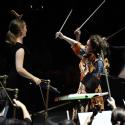
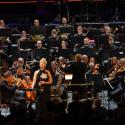
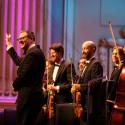
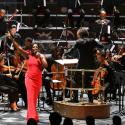
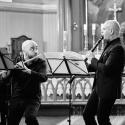
Options for attendance were seats in the central nave or places at the sides for ambulation. You had to keep walking, though, after the trumpet summons from the beginning of the symphony which marked the official start of the concert, to hear four of the players (Martin Burgess, Clare Hayes, Matt Maguire and Will Schofield) near the high altar in the first movement of Haydn’s D minor String Quartet, Op. 76 No. 2 – severity lightened by moments of grace, like the Ligeti Bagatelle No. 2 for wind quintet, further west, which had us returning to our seats. The intensity has much to do with the players standing – as do the rest of the orchestra other than cellos and double bass, especially personable in kicking off the rustic dance-finale of the symphony..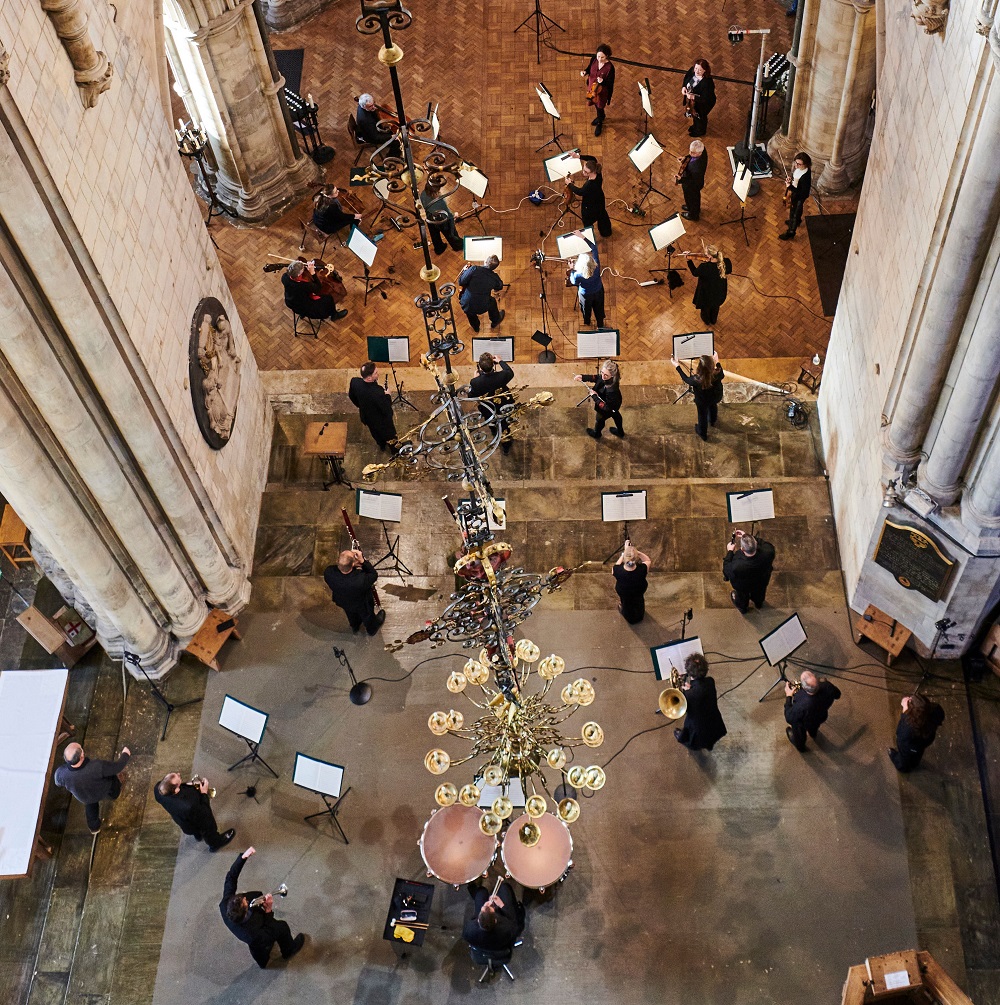 As in the Tchaikovsky and Elgar serenades, leader Alexander Wood’s vivacious, focused energy gives the cue to a very individual “London” Symphony – the contrasts of its first two movements dramatic, the Minuet playfully free, the finale staying high and bright even in these acoustics, which don’t blur, but seem best for strings and wind in isolation. Still, there couldn’t be a better venue for covering all bases in what the CLS so boldly does, without patronising or gimmickry, to welcome the live audience into the full experience. We’ll need much more of this in the year to come, and hopefully more people will be hungry to experience the life-changing dialogues between players and listeners possible in the flesh.