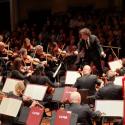
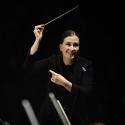
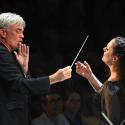
Antonio Pappano addressed the audience before the start of the concert to explain the thinking behind this rather unusual programme, first performed in the early nineties and now a perfect fit for the Accademia Nazionale di Santa Cecilia orchestra and chorus, where he has been music director since 2005.
Having spent a period of time "exploring works themed around conflict", he had wanted to take on Luigi Dallapiccola’s one-act opera Il prigioniero ("The Prisoner") but needed companion pieces to make a concert’s worth. In figuring out how to create a programme that would function as "a meditation on the issues of war, struggle, torture, injustice and freedom", the next addition was the Ode to Joy finale of Beethoven’s ninth symphony (handily reusing the opera’s soloists). The third movement of the symphony, fading in from Il prigioniero’s soft ending, acted as a bridge. Florestan’s aria "Gott! welch’ Dunkel hier" from Fidelio, placed at the very top of the concert, was another good fit with the added symmetry of opening and closing with Beethoven. The concert ran without interval or even break for applause from start to finish and held the audience in rapt attention throughout.
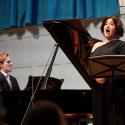
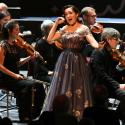
The ever reliable Stuart Skelton opened proceedings very promisingly with a nuanced and lyrical performance of the aria, before Pappano ushered in Dallapiccola’s opening salvos of piercing, bell-like chords. Soprano Ángeles Blancas Gulín as the mother gave a very well judged and dramatically committed reading of the opera’s nightmarish prologue.
Skelton turned gaoler while baritone Louis Otey took the role of the prisoner – he was a little hamstrung by being quite attached to the score, but aided by Pappano’s spirited conducting, the strange tale of ‘torture by hope’ was engrossing to the end.
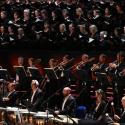
There were two short choral interludes in the opera which gave a little taste of what was to come, but it was naturally in the ninth symphony finale that the miraculous Santa Cecilia Chorus got to flex its considerable muscle. Despite, or rather perhaps because of the very rich British choral tradition, there is no professional symphonic chorus in this country. You can heap as much praise as you like on our splendid choirs but you simply haven’t heard the words "Seid umschlungen, Millionen" until you’ve heard them pinged out by 20 trained Italian tenors in perfect sync. The power and control were breathtaking.