

Károly Makk’s Love (Szerelem) is full of silences and absences, this 1971 film’s premise as simple as its title is banal.
The post-war setting is hinted at without ever becoming explicit, a device also used by Czech director Zbyněk Brynych’s in his WW2 thriller The Fifth Horseman is Fear, making the parallels between the past and the present sharper. Though the narrative, based on two short stories by Hungarian novelist and poet Tibor Déry, centres on a political prisoner awaiting release, we don’t meet him until Love’s final act, Makk initially choosing to focus on the lives of those he’s left behind.
A luminous Mari Törőcsik plays Luca, wife to Iván Darvas’s incarcerated János. She spends much of her time caring for her husband’s bedridden mother (Lily Darvas), who is convinced, thanks to Luca’s forged letters, that János is a successful film director currently working in New York. The two women's mutual affection is clear despite the bickering, the cluttered bedroom beautifully shot by cinematographer János Toth. Glimpses of their previous lives are shown in sharply contrasting ways, the mother’s memories as blink-or-you’ll-miss-them still images cut into the narrative. Whether the flashbacks to an affluent Belle Époque are real or imagined is never made clear, while the past events in Luca’s life are far less ambiguous.
Seeing Luca summoned to the boss’s office, we know that she’s about to lose her teaching job because of her husband’s alleged crimes, but nothing is made explicit. The ups and downs of the women's relationship are nicely conveyed, Orsolya Erzsi’s long-suffering servant Irén always on hand. Domestic life is a retreat from the everyday indignities of life under General Secretary Mátyás Rákosi; telephone lines are bugged or disconnected on a whim, housing and personal possessions confiscated by a corrupt state. András Mihály’s dissonant, fragmentary score adds to the unease.
 And then, just as you’re wondering where Love will go, Makk shifts abruptly to János’s release from prison. Gaunt and hesitant, his few belongings gathered in a cloth bag, we follow his circuitous journey home to be reunited with Luca. There’s a touching moment when a taxi driver stops the car to buy his passenger cigarettes, fully understanding where János has been, and the scenes showing the couple’s reunion are incredibly moving. “I’ve grown old,” János mutters, having glimpsed himself in a mirror. He asks Luca, “Can you get used to me again?”
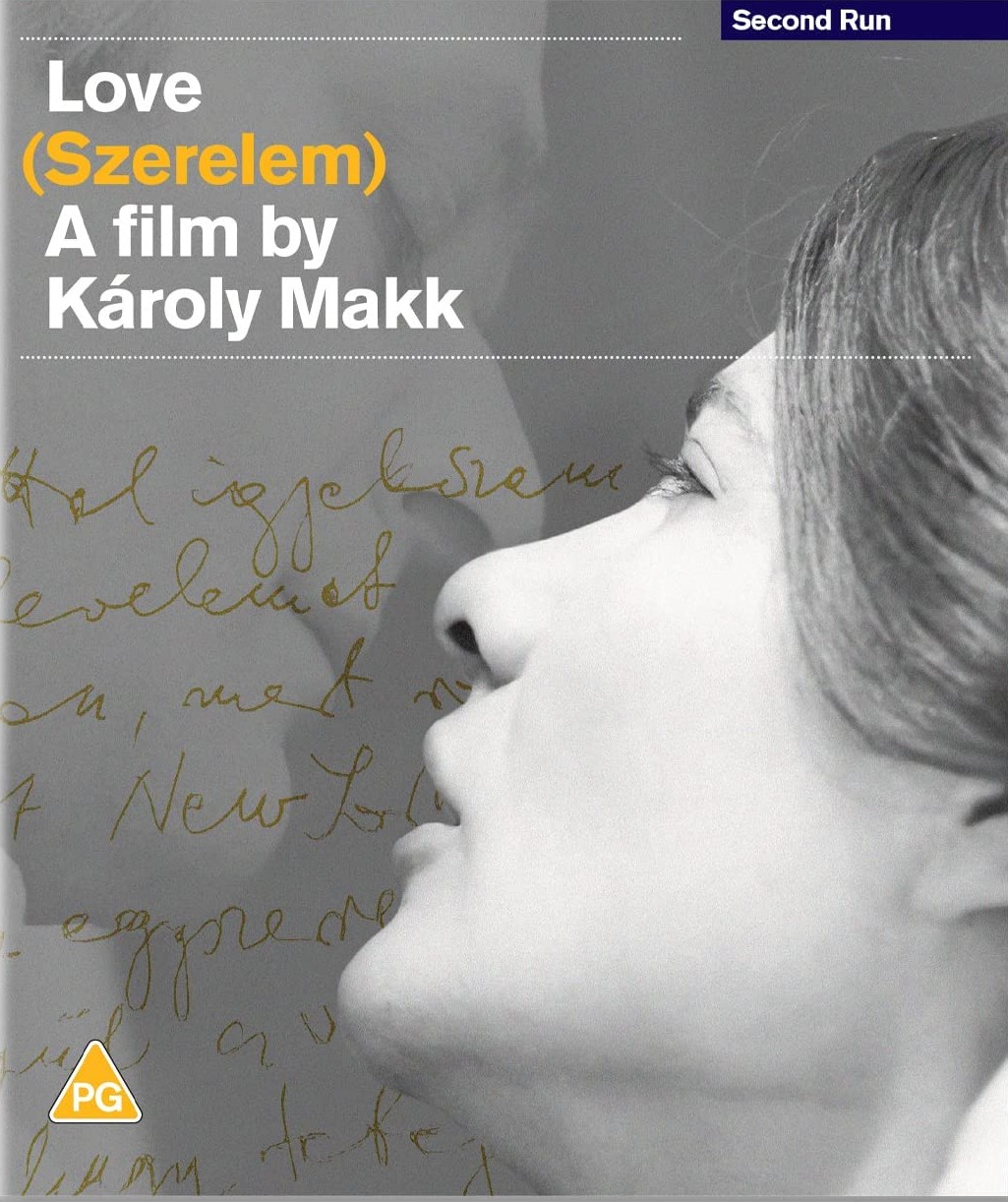
Love is an indisputably great film, superbly acted and wonderfully shot. Second Run’s print is an immaculate restored edition made by the Hungarian Film Institute; extras include a 2005 talk about the film by its director, plus a 2016 audio commentary from Makk and film historian Gábor Gelencsér. There’s a compendious, very readable booklet. Keep buying physical discs, folks – you’ll never get all this stuff from a streaming service.












Add comment