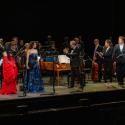
Eighteenth century Sweden is the nominal setting for A Masked Ball, but its essence is a unique mixture of Italian testosterone and French opéra-comique elegance. If this concert performance brought it closer to the indiscriminate vitality of early Verdi rather than the experimental shades of the middle period, there was still a huge amount to enjoy, and one stellar performance.
I’d hoped to find more finesse, and more obvious co-ordination with the singers, than we got from veteran Anthony Negus; from previous encounters, it’s clear that the semi-professional Chelsea Opera Orchestra musicians can do subtle when it’s really demanded of them. At first it was a case of never mind the intonation, relish the phrasing. But the mix of dreaminess and brio in Gustavus III and his court didn’t get the lilt or lift it needed. Game last-minute substitute Charne Rochford as the softie king wasn’t the sort of tenor to do the graceful stuff here or in the swagger-as-sailor number in the second scene; but he had all the notes, and certainly nailed the upper-register desperation in his last aria.
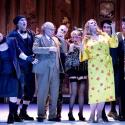
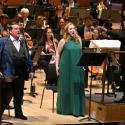
 As the (rightly) jealous husband of the king’s love Amelia, Anckarström, imposing New Zealand baritone Phillip Rhodes (pictured right) also began rather wildly, with some bottling up top, but in the becalmed sequence of his big Act 3 aria, “Eri tu”, pulled out all the goods to moving effect.
The revelation of the evening, though, was Nadine Benjamin as the troubled heroine. The promise of her brief appearance in Act 1 Scene 2 flamed into passionate life for the Act 2 aria and duet, powered by acted-out urgency and unstinting generosity with the high notes. In what usually passes as the cadenza of “Morrò, ma prima in grazia”, her abjection before her murderous husband, Benjamin pulled out a cry of desperation worthy of the great moments in opera. With a bit more coaching in Italianate style from, say, the great Pappano, she will be world-class.
The other women triumphed, too. Maria Schellenberg was the authentic Verdi-mezzo article as the fortune-teller “of vile gypsy blood”, as the libretto unfortunately has it; Alison Langer’s characterisation as the cheeky page Oscar, if a fuller soprano than we often get in the role, equalled Benjamin’s dramatic flair. Of the other men, Thomas D. Hopkinson and Jack Holton as the stagey conspirators provided the necessary dark colour – and backbone to the male chorus when needed – while baritone Arthur Bruce offered the freshest male voice on display in the not unrewarding bit-part of sailor Cristiano. Gilded by decent choral and orchestral contributions, the whole evening sailed along, and left us in no doubt that Ballo is top-drawer Verdi throughout.