Continuing the retrospective aspect of his final season as music director of the Hallé, Sir Mark Elder returned last night to Ravel’s Daphnis et Chloé, the work with which he opened the orchestra’s 2014-15 Manchester series to such memorable effect.
That was the fulfilment of a long-held ambition, he said at the time, and, with the Hallé Choir joining the orchestra for the performance of this “choreographic symphony”, it was no doubt equally satisfying to bring it back in all its glory.
But the invigorating exploration of orchestral repertoire that has marked his time with the Hallé was present in the night’s programme, too. Another piece evoking Greek mythology began it: Sibelius’ The Oceanides, a tone poem that’s less narrative-driven and more of a thrilling seascape for orchestra. The wind players were the key element in the sound spectrum here, with the smooth, sustained contribution of the Hallé brass completing the picture. Sir Mark presented the leading themes with telling effect and built the structure to its exciting climax and a delicate finish.
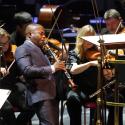
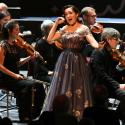
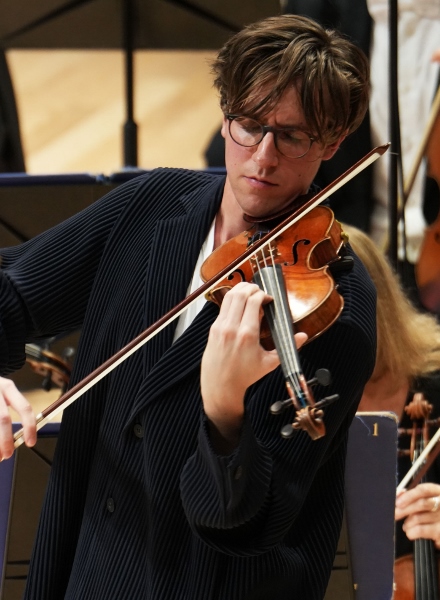 The Hallé’s young leader, appointed just a year ago, was the soloist in Stravinsky’s Violin Concerto. Roberto Ruisi (pictured right) brings formidable technical virtuosity to his role as well as the kind of sweetness and lyricism which now distinguish the orchestra’s strings as a whole, and this concerto gave him the chance to shine in all those qualities. It’s a tour de force for anyone to undertake, with Stravinsky’s characteristic textures and neo-baroque chugging rhythms topped off by dazzling decorations in the solo part. That was spectacular enough, but the two inner movements, called Aria I and Aria II, add something else – the same soundworld but with different emotional content. The first began with a lovely duet with the orchestra’s cellos and a contrasted harmonic atmosphere; the second, a long-drawn-out decorated melody over slowly changing harmonies, played with eloquent feeling and burnished tone. The final movement’s demand for soloistic fireworks is quite staggering, and was met with brilliance. It also requires precision and beauty in the accompaniments from the orchestra, both in its initial display of counterpoint alongside the solo and the ensuing helter-skelter, and also in the warm horn solo (Laurence Rogers) and more meditative music and changing moods that follow. The orchestra was led from first desk by Emily Davies for this concert and gave of its best for Ruisi – who received a warm reception from the many Manchester fans he’s already won.
Daphnis et Chloé was as vivid and excitingly told as narrative music as in that performance nine years ago. It helps to have a display screen outlining the essentials of the scenario, of course, as it’s a complete ballet score and you have to imagine what is meant to be happening visually – but it sounds utterly splendid with a big orchestra (seven percussion players!) and chorus in a concert hall, and Sir Mark Elder is the master of control and inspiration for forces such as these.
The range of dynamic he created was impressive from the opening numbers onwards, and the sense of mystery as stone images are supposed to come to life and mythic creatures tell their story. There’s even musical sarcasm in it at one point (popular song sentiment truly sent up), and suavity and richness in the scoring, the Hallé wind players outstanding again, with dreamy French-style flute tone.
Sir Mark segued each scene to the next to create a continuous musical tapestry and energetic results in the big and furious highspots. The much excerpted “Daybreak” scene’s opening was heard in all its glorious detail of wind and string figuration, with a deft touch for the dramatic love story’s culmination and a magnificent closing section. The men of the choir were relatively few in number on this occasion and just occasionally hesitant, but that was a small issue in comparison with the overall effect.
- Broadcast on BBC Radio 3 on Wednesday 11 October