

Lesbian love in a closeted Orthodox Jewish North London community suggests a place of barriers and secrets. In adapting Naomi Alderman’s novel Disobedience for producer-star Rachel Weisz, the Chilean-Argentine director Sebastián Lelio might as well have landed on the moon. But, as he showed in his Oscar-winning study of an indomitable transsexual, A Fantastic Woman, he has no fear of others' worlds.
He montages Ronet’s reaction to the Rav’s death: red wine in bar; shag nearest bloke in loo; throw yourself on the plane, still raw with shock. Arrival in the North London suburban community where her father is being mourned demands an equally swift dose of something, as her childhood friends David (Alessandro Nivola) and Esti (Rachel McAdams), now married, remain the friendliest of a frosty crew.
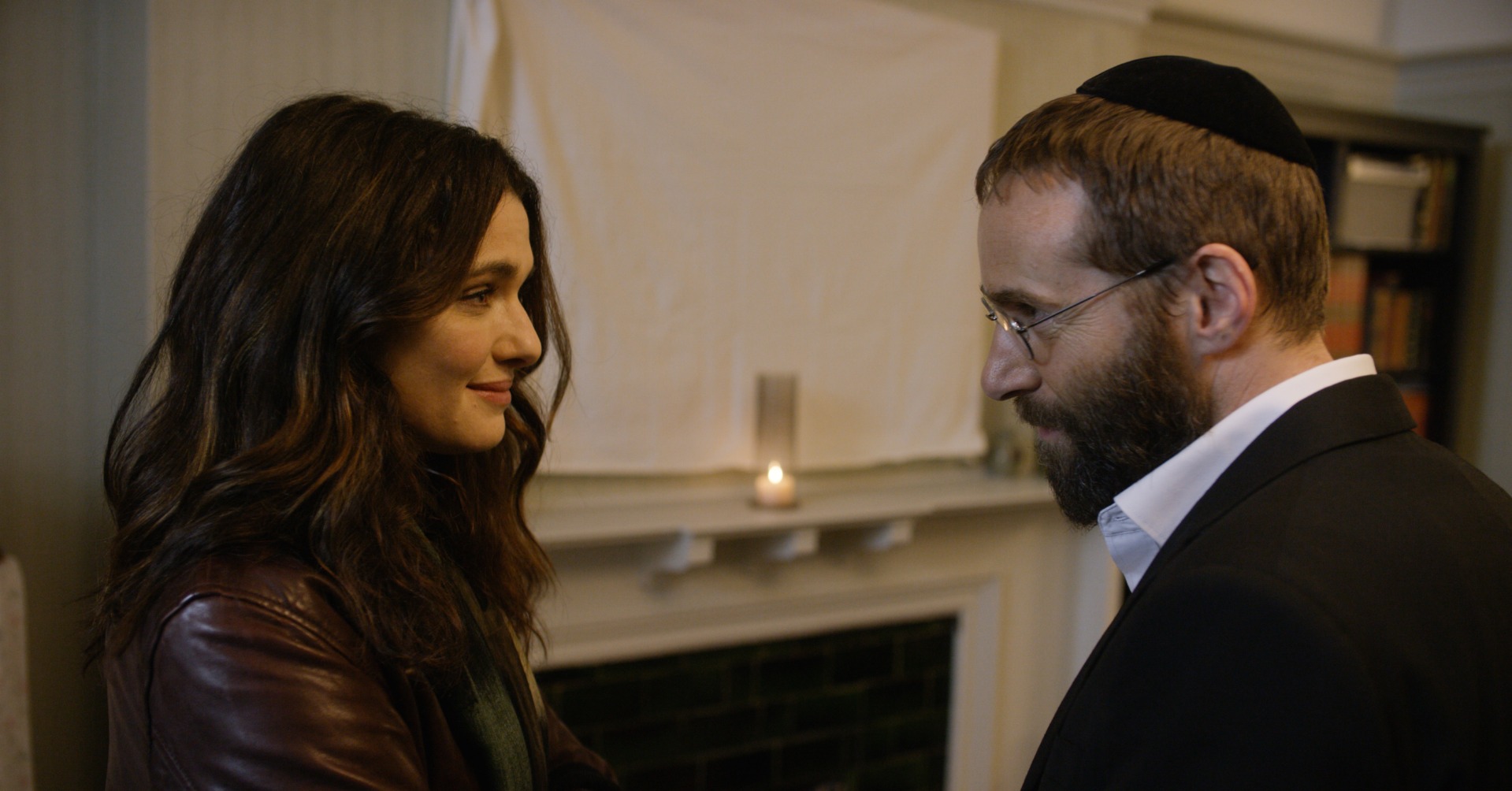 David, the Rav’s adopted son and rabbinical heir, is grieving too. The Orthodox taboo on touching women seems another means of freezing Ronet the black sheep out. But it also locks him in. All the moreso, when we observe Esti’s absent looks as her husband makes love to the woman he is permitted. The balance between belonging and release, community and self, body and soul, is out of whack in this awkward triangle.
Lelio navigates with open-hearted sympathy between his three protagonists. At first it’s Ronet’s story, as Weisz gives rein to the free spirit she so often embodies, then finds it choked back by the people and place she thought she’d shucked off. But like a veil parting, we enter Esti’s thoughts, as this shy, shrinking woman is revealed as Ronet’s teenage lover, who engineered her return to cure her long ache. And though Weisz became a producer to put more films like Disobedience in the world, with women as active agents instead of male appendages, David is given his due. Rather than a reactionary barrier to the path of forbidden love, he’s as pained, confused and good as anyone. Nivola, a chameleon character actor, defines this strong man by his softness.
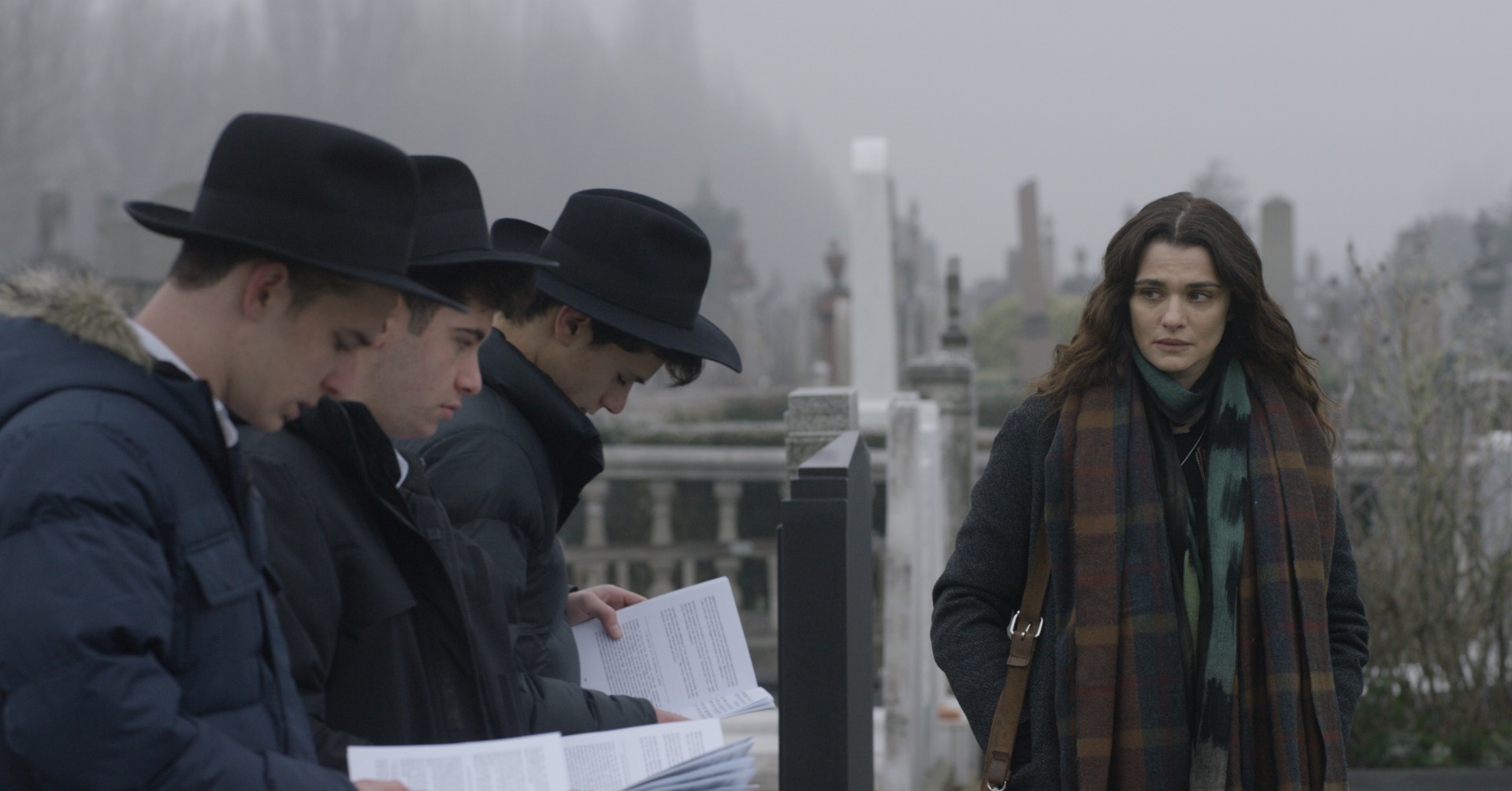 The inevitable, set-piece sex scene between Ronet and Esti feels unique in its emotional freight, and Lelio’s thoughtful filming. The erotic charge between the women really jolts in their first desperate kiss, in Ronet’s desolate childhood home. With the surrounding streets policed by disapproving neighbours, they flee this claustrophobia for a Fitzrovia alley, then a bland hotel. Here, they do everything they’ve desired clumsily and practically, half-clothed and happy. McAdams’ eyes as Esti, satisfied at last, linger most. Lelio has spoken of wanting to avoid porn, and he has switched off the male gaze here.
Matthew Herbert’s score is mostly unobtrusive, ranging from the sound of ancient, Hebrew horns when we enter a synagogue to subliminal orchestration. But as Lelio navigates to his conclusion in a leisurely dance, silences and pauses mark his progress. There is tension, not least in David’s big speech to mark his anointment as the Rav’s replacement, the camera floating in fogged close-up as this brave man struggles. But this is finally a moving love story in unexpected ways, to the religious community which has so frustrated its three lost souls, as well as to their transgressive needs. It’s a liberated film, leaving us, too, time and space to feel and think.











Add comment